The Difference Between Roof Restoration and Roof Replacement
Table of Contents
When a tiled roof starts showing its age — cracked tiles, deteriorating mortar, persistent leaks or a surface that looks worn and weathered — most homeowners face the same question: is it time to restore or replace? It is a decision that comes with significant cost implications either way, and getting it wrong can mean spending more than necessary or investing in a short-term fix when a longer-term solution was needed. Understanding the difference between the two options, and knowing which one suits your situation, is the starting point for making a well-informed choice.
What Roof Restoration Actually Involves
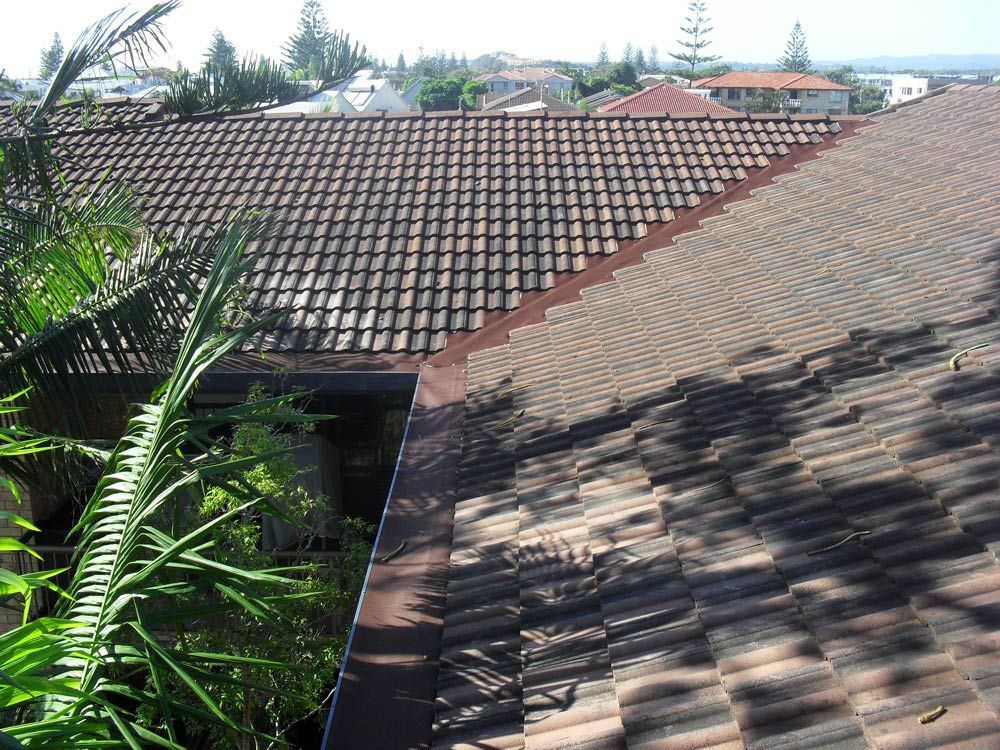
Roof restoration is a comprehensive process that returns a tiled roof to sound, weatherproof condition without removing and replacing the underlying structure. It is not a quick patch job — a proper restoration addresses the roof systematically, from the condition of individual tiles through to the mortar holding ridge capping in place.
A thorough tiled roof restoration typically includes:
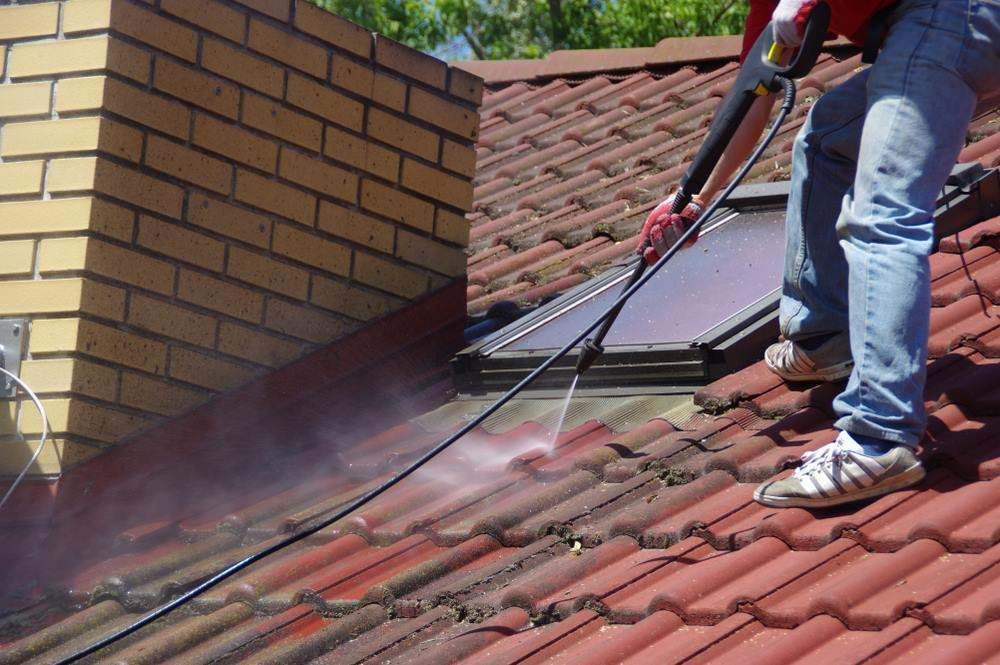
- Pressure cleaning to remove built-up dirt, moss, lichen and debris from the tile surface
- Replacing cracked, broken or missing tiles with matching replacements
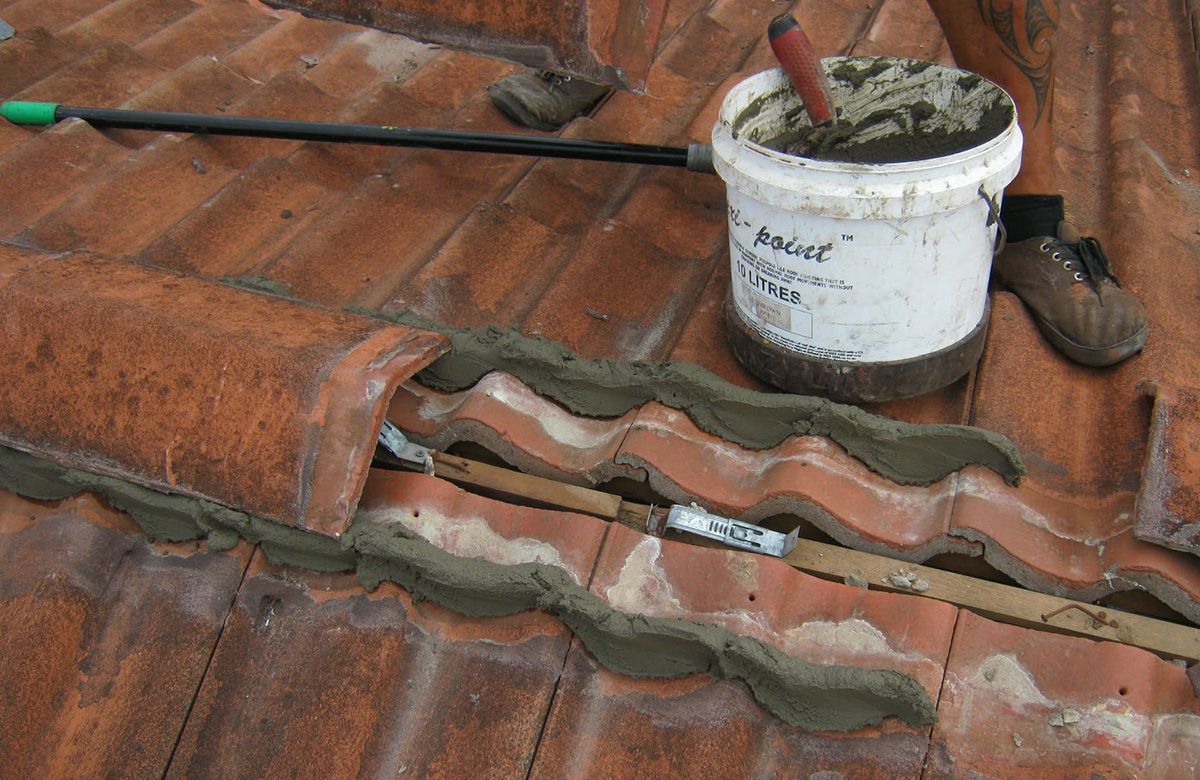
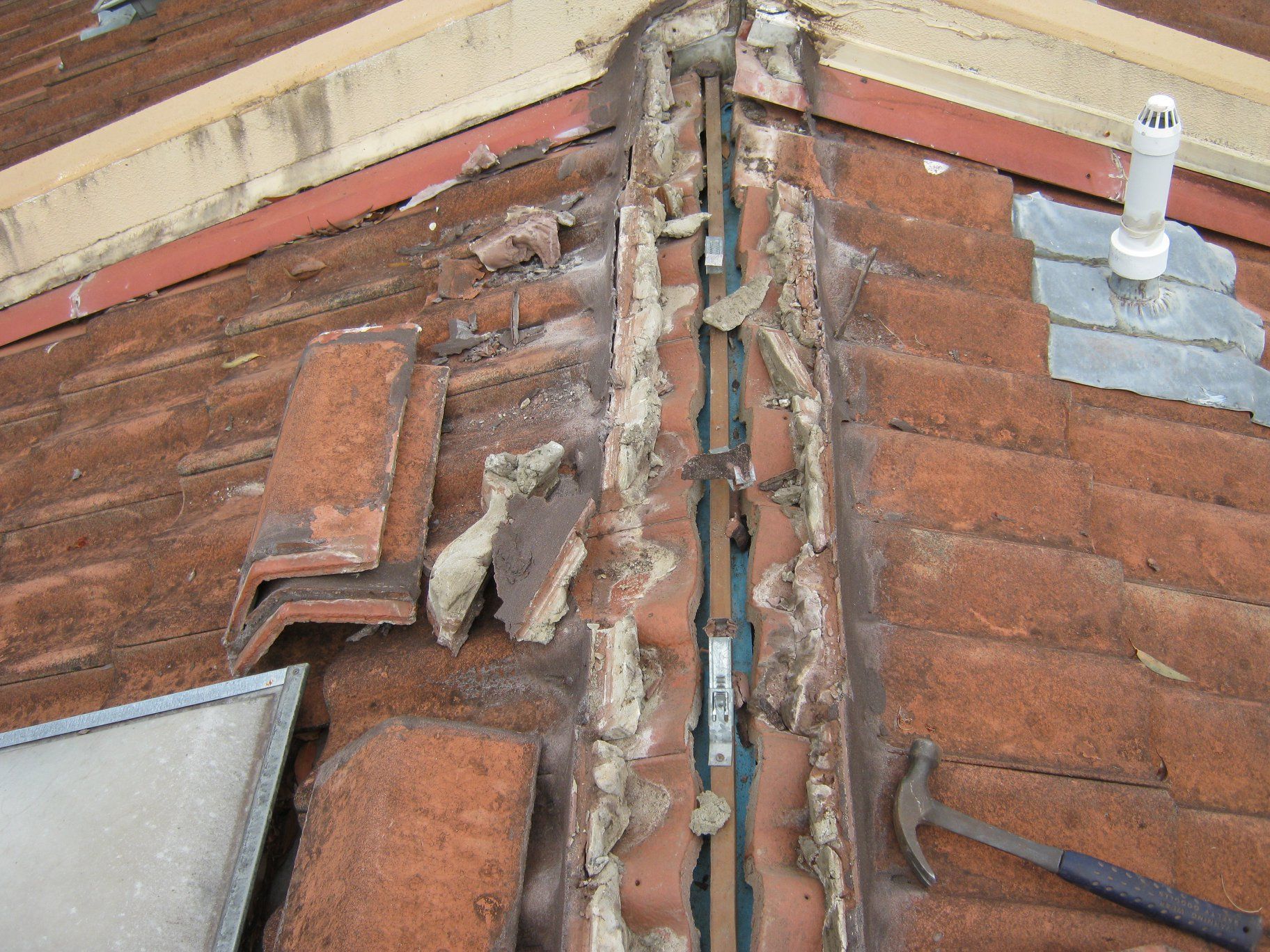
- Re-bedding and repointing ridge capping where the mortar has deteriorated or cracked
- Resealing valleys, flashings and any penetration points such as TV aerial mounts or shade sail bolt holes
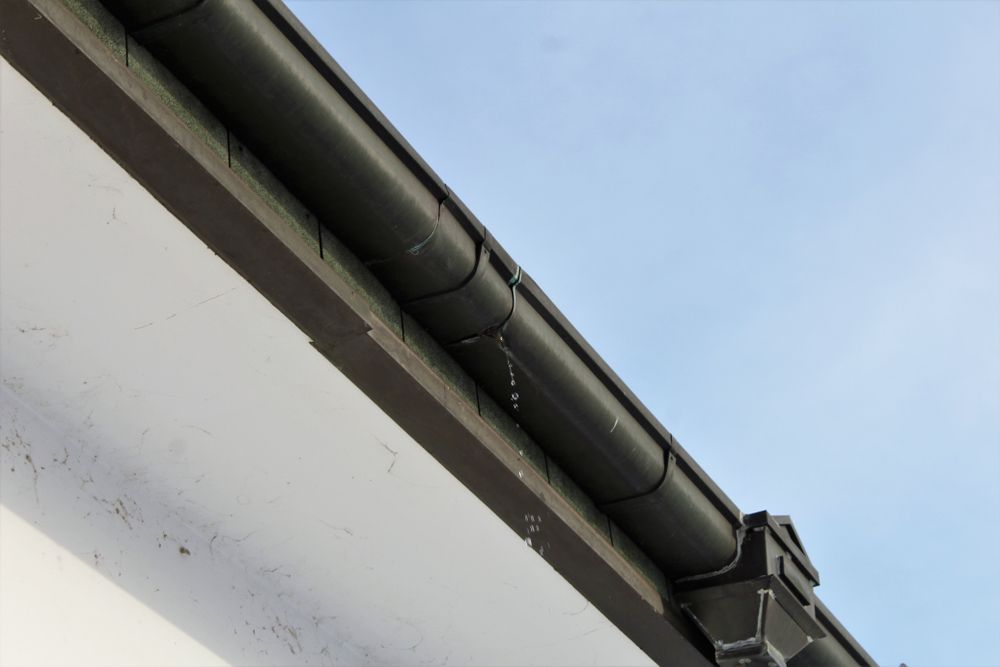
- Clearing gutters and valleys of leaf matter and debris that can cause water to back up under tiles
The result is a roof that is watertight, structurally sound and visually refreshed — without the disruption and cost of a full replacement. For homeowners researching roof restoration Gold Coast wide, a tiled roof in reasonably good structural condition is almost always the more practical and cost-effective path.
What Roof Replacement Involves
Roof replacement means removing all existing tiles and the underlying materials down to the roof structure, then re-laying everything from scratch. It is a significantly more involved process and, accordingly, a more expensive one.
Full replacement becomes the appropriate option when:
- Pressure cleaning to remove built-up dirt, moss, lichen and debris from the tile surface
- Replacing cracked, broken or missing tiles with matching replacements
- Re-bedding and repointing ridge capping where the mortar has deteriorated or cracked
- Resealing valleys, flashings and any penetration points such as TV aerial mounts or shade sail bolt holes
- Clearing gutters and valleys of leaf matter and debris that can cause water to back up under tiles
Outside of these situations, full replacement on a tiled roof is rarely the most practical recommendation. A well-executed restoration can achieve comparable longevity at a considerably lower cost.
Comparing the Costs
Cost is usually the first consideration for homeowners weighing restoration against replacement, and the difference is substantial. Roof restoration is typically a fraction of the cost of a full replacement for the same tiled roof, with the exact figures depending on roof size, pitch, tile condition and the extent of repointing and resealing work required. What makes restoration particularly good value is that the investment extends the functional life of the existing roof rather than starting the depreciation clock from zero. A restored tiled roof, properly maintained, can deliver many additional years of reliable performance — often at a cost that is difficult to justify replacing rather than restoring.
Factors that influence the cost of tiled roof restoration include:
- The size and pitch of the roof, which affects both access and labour time
- The number of tiles requiring individual replacement
- The extent of repointing needed across ridge capping
- Whether valley seals need replacing or resealing
- The degree of moss and lichen growth requiring pressure cleaning
Getting a detailed inspection and quote before committing to either option gives you an accurate picture of what each path will cost and what condition the roof is actually in.
Longevity: How Long Does Each Option Last?
A restored tiled roof that has been properly assessed, repaired and maintained can last for many additional decades. Concrete and terracotta tiles are inherently durable materials — the tile itself rarely fails before the mortar, bedding or sealant around it does. Restoration addresses exactly those elements, resetting the clock on the components most likely to cause problems. Full replacement, by contrast, gives you a new roof but does not necessarily add proportionally more life than a good restoration would. The new tiles still sit on the same roof structure, in the same environment, and will be subject to the same weathering over time.
Key factors that affect longevity after either restoration or replacement include:
- The quality of materials and workmanship applied during the process
- Whether ongoing maintenance — clearing debris, checking repointing, keeping gutters clear — is carried out regularly
- The local climate and the degree of UV, salt air or storm exposure the roof faces
- Whether any underlying structural issues were identified and addressed before work began
The Aesthetic Outcome
Beyond structural performance, many homeowners also care about how the roof looks — particularly when a property is being prepared for sale or appraisal, or when a renovated interior deserves an exterior to match. A professionally restored tiled roof looks considerably better than one that has been left to weather without maintenance. Pressure cleaning removes years of discolouration, moss and staining. New tiles matched to the existing ones blend in well when laid correctly. Re-pointed ridge capping restores the clean, finished lines of the roofline.
The aesthetic improvement from restoration is often striking, and for most tiled roofs in reasonable structural condition, the visual result is comparable to what a full replacement would deliver — at significantly less cost and disruption to the household.
How to Know Which Option Is Right for Your Roof
The honest answer is that the right option depends on what is actually happening with your roof, and that is best determined by a proper inspection rather than a visual assessment from the ground. A roof that looks worn from street level may be structurally sound and an ideal candidate for restoration. One that looks superficially intact may have underlying issues that change the calculation.
Signs that restoration is likely the right option:
- Tiles are largely intact with isolated cracking or breakage
- Ridge capping mortar is cracking or crumbling but the underlying structure is sound
- Moss, lichen or staining is affecting appearance but not structural performance
- Leaks are isolated to specific points such as valleys, flashings or cracked tiles rather than widespread
Signs that replacement may need to be considered:
- Widespread tile failure across multiple sections of the roof
- Evidence of water damage to roof battens or sarking beneath the tiles
- Significant sagging or movement in the roofline suggesting structural issues
- Tile type is no longer manufactured and matching is not possible
A photographic inspection report documents the actual condition of the roof and gives you a clear, objective basis for making the decision.
The Value of Regular Maintenance in Extending Roof Life
One of the most consistent findings across roof assessments is that the roofs requiring the most expensive intervention are those that have been left without maintenance for extended periods. A small amount of preventive care — clearing gutters and valleys, checking repointing after significant storms, addressing a cracked tile before it allows water in — prevents the kind of cumulative damage that turns a straightforward restoration into a more complex and costly exercise. For tiled roofs especially, the materials themselves are designed to last. What fails first is almost always the pointing, bedding, sealant or drainage around them. Keeping those elements in good condition significantly extends the intervals between major restoration work and keeps the roof performing as it should.
We at Gold Coast Roof Repairs Pty Ltd have been working on tiled roofs across the region for over 20 years, and our team understands how the local climate — the UV exposure, summer storm activity and salt air in coastal areas — affects roof condition over time. Whether you are trying to decide between restoration and replacement, or simply want to know what condition your roof is actually in, we provide detailed inspections and honest assessments to help you make the right call. Visit https://www.goldcoastroofrepairs.com.au/ or call us on (07) 5563 0966 to arrange a roof inspection or discuss your tiled roof repair or roof repairs Gold Coast wide with our team.