Common Signs Your Roof Needs Repair

Gold Coast Roof Repairs • October 1, 2025

Your roof is one of the most crucial components of your home, shielding everything beneath it from the elements. Over time, however, even the strongest tiled roofs will start to show signs of wear. From cracked tiles to water stains indoors, these early indicators shouldn’t be ignored. If left untreated, minor issues can quickly turn into costly repairs or even structural damage. By knowing what to look for, you can arrange professional help before the damage spreads further.


Below, we’ll walk through some of the most common warning signs that your roof may need urgent attention and why timely roof repairs on the Gold Coast are essential to keeping your home safe and secure.
1. Cracked or Broken Roof Tiles Can Lead to Leaks

Tiled roofs are durable, but they are not immune to damage. Harsh weather, falling debris, or simply age can cause individual tiles to crack or break. When this happens, the roof loses its ability to keep out water. Over time, even small cracks can allow moisture to seep through, potentially damaging ceiling linings and insulation.


When inspecting your roof, here are a few common reasons why tiles may become cracked:


  • Tiles may break due to severe weather events, such as hail or strong winds.
  • Older tiles can become brittle, making them more likely to fracture under pressure.
  • Poor installation can leave tiles vulnerable to movement and eventual cracking.


Prompt replacement of damaged tiles prevents leaks and stops water from spreading through to other parts of the home.

2. Water Stains on Ceilings Suggest Hidden Roof Leaks

One of the easiest signs to spot indoors is the appearance of brown or yellow stains on ceilings or upper walls. These stains often indicate that water has infiltrated the roof cavity. Even if the leak appears minor, ignoring it can lead to mould growth or structural deterioration over time.


Some familiar sources of hidden leaks include:


  • Cracked or slipped tiles that allow rainwater to seep in unnoticed.
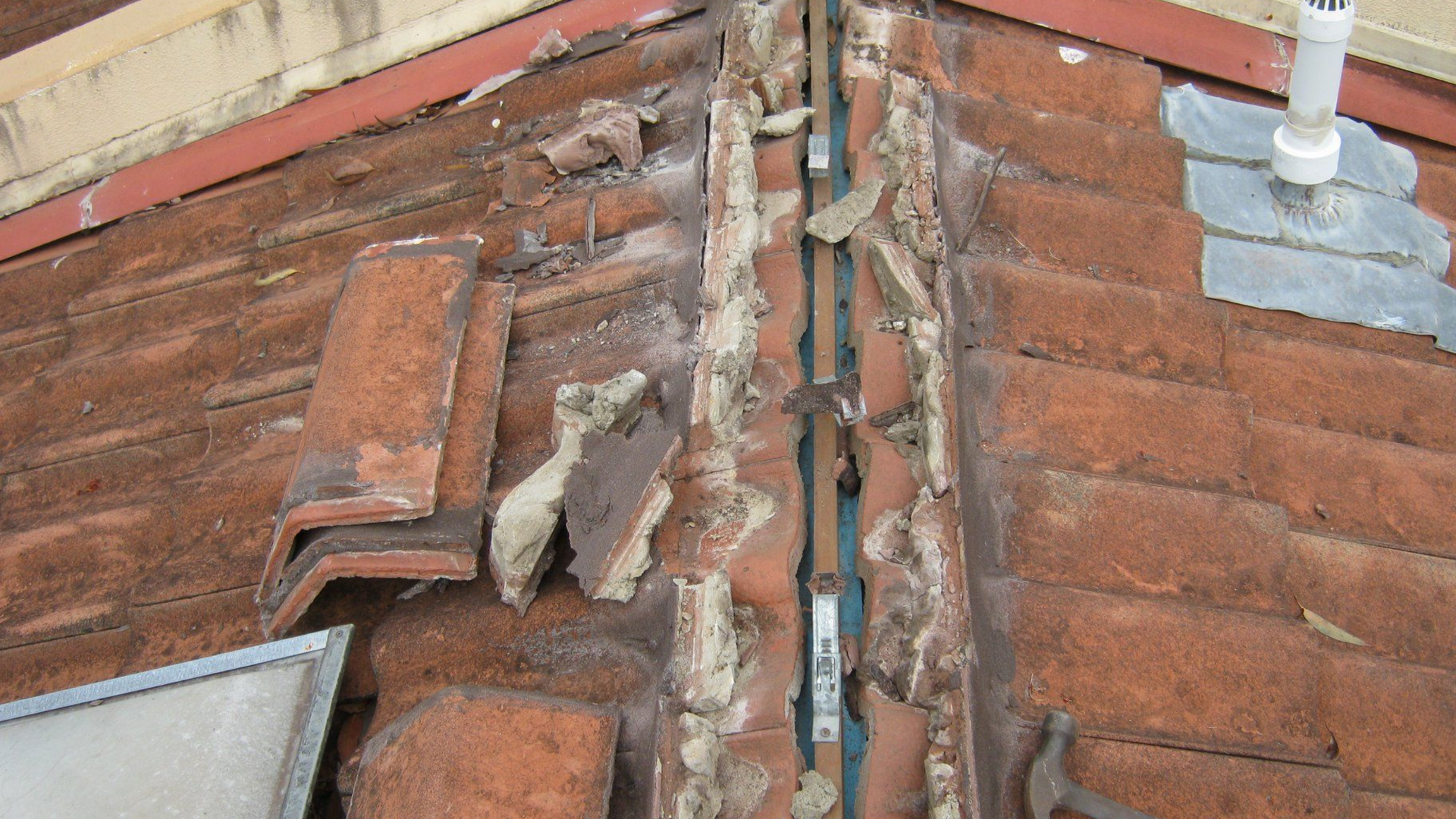
  • Problems with ridge capping, where the mortar has deteriorated and no longer provides a proper seal.
  • Faulty flashing around chimneys or skylights that has begun to separate.


By addressing these leaks early through roof damage repair, homeowners can avoid the stress and expense of significant water damage.

3. Sagging Rooflines Indicate Structural Stress

A sagging roofline is one of the most serious signs that your roof needs immediate attention. Rather than a cosmetic issue, it often points to deeper structural problems, such as rotting timber or an overloaded roof frame.


Some of the main factors that can cause a roofline to sag include:


  • Long-term water damage has weakened the supporting structure.
  • Excessive load from debris, moss build-up, or heavy rainfall.
  • Poor workmanship in the original roof construction.


If you notice uneven lines or dips in your roof from the street, it’s essential to seek professional assessment without delay. A sagging roof left unchecked can become a safety hazard.

4. Moss, Lichen & Algae Growth Can Damage Tiles

While moss and lichen might seem harmless at first glance, they can trap moisture on the roof’s surface. Over time, this moisture weakens tiles and makes them more susceptible to cracking. Algae, too, can spread quickly, leaving unsightly stains and encouraging further moisture build-up.


If left untreated, these issues can result in:


  • Tiles are deteriorating more quickly due to constant dampness.
  • An increase in leaks occurs as weakened tiles fail to repel water.
  • Costly structural repairs may be necessary if rot sets into the timber beneath.


Professional cleaning and tile maintenance ensure that your roof remains watertight and visually appealing.

5. Loose or Damaged Ridge Capping Lets in Water

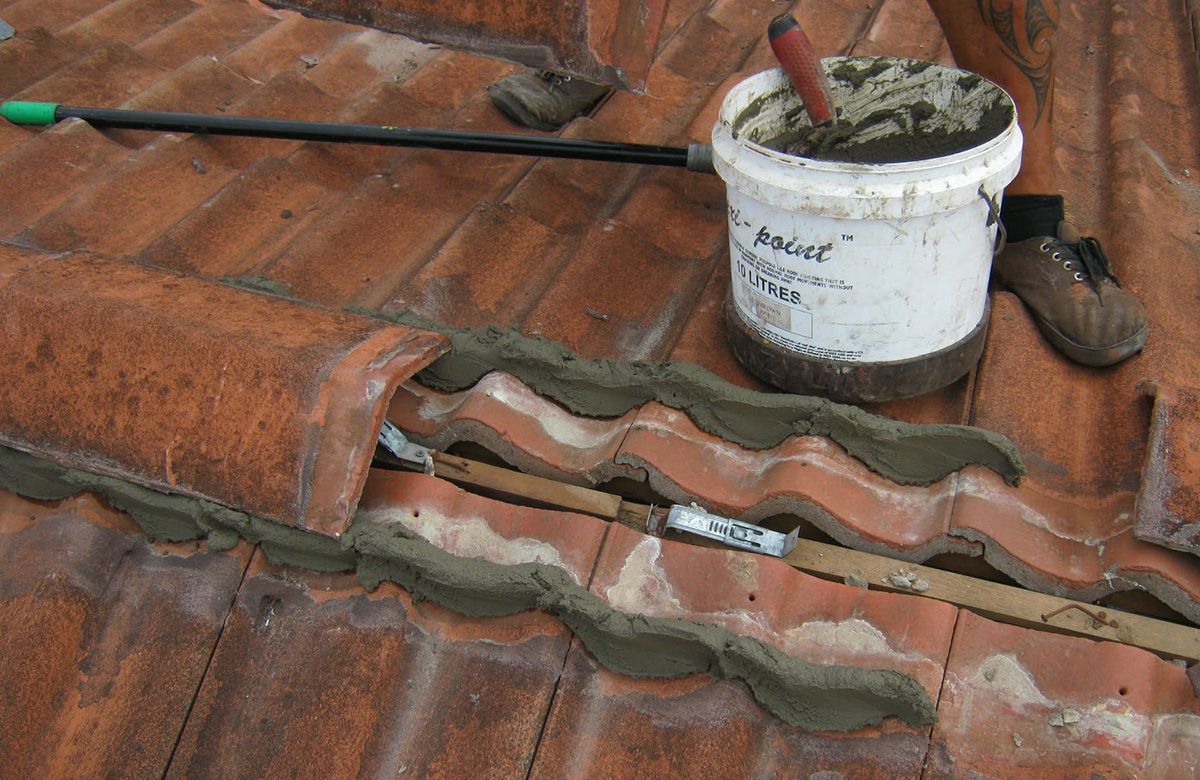
Ridge capping plays a crucial role in protecting the highest points of your tiled roof. The mortar that holds the ridge tiles in place can crack or loosen over time, especially under constant exposure to the sun and rain.


Why ridge capping matters

When the ridge capping fails, water can enter the roof cavity and cause damage that is often hidden until it becomes extensive. Loose tiles may also shift further in strong winds, creating even more entry points for water. Regular inspections by a roofer can identify failing ridge capping early and prevent the problem from escalating.

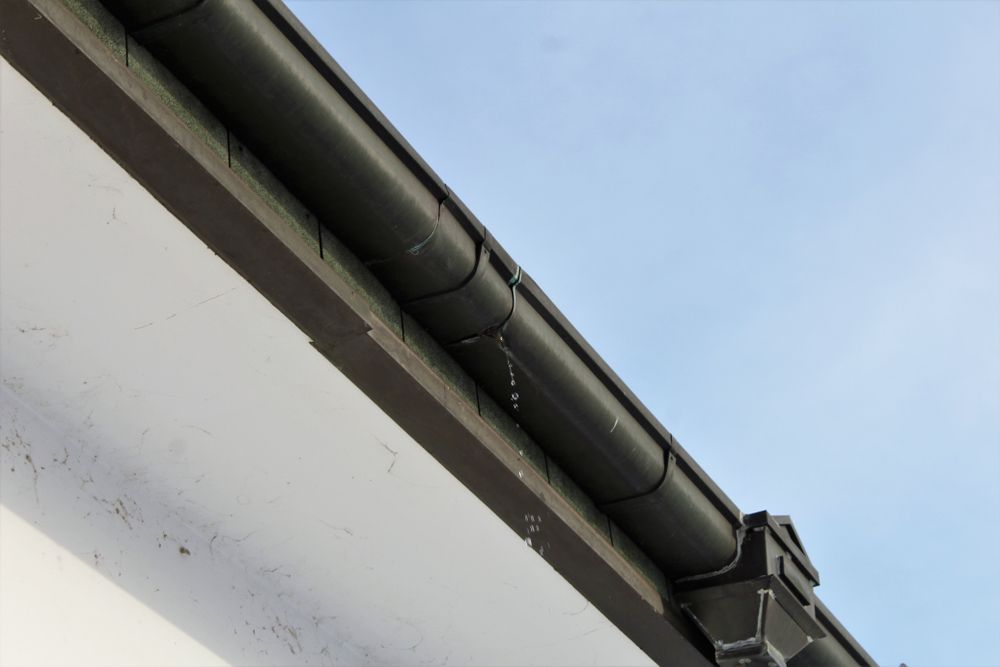
6. Gutter Overflow May Signal Roof Issues

It’s easy to assume that overflowing gutters are caused only by blockages, but sometimes the issue lies with the roof itself. Misaligned or damaged tiles can misdirect water, leading to overflow even when gutters are clean and functioning correctly.


During a roof inspection, tilers will check:


  • Whether tiles are correctly positioned to channel water into the gutters.
  • If cracks or chips are allowing water to flow in the wrong direction.
  • Whether structural movement has altered the roof's slope.


Correcting these problems ensures that water drains efficiently and does not back up into the home.

7. Interior Dampness & Mould Indicate Ongoing Leaks

Dampness inside the home is one of the most concerning signs of roof trouble. Moisture that seeps into ceiling cavities creates the perfect environment for mould to thrive. A musty odour, dark patches on walls, or visible mould growth are all clear indicators of water intrusion.


Key issues linked to interior dampness include:


  • Health risks include mould spores, which can trigger respiratory problems and allergies.
  • Damage to plasterboard, insulation, and timber framing.
  • Increased repair costs as the problem spreads silently behind the walls.


Professional roof repairs on the Gold Coast can stop these leaks at their source and restore a healthy, dry living environment.

8. Ageing Roofs Require More Frequent Attention

While tiled roofs are designed to last for decades, they eventually show signs of ageing. The protective glaze may wear off, tiles can become brittle, and mortar joints often deteriorate. Regular inspections and minor repairs can significantly extend the life of an older roof.


As roofs age, some of the most common issues that arise include:


  • Tiles are becoming more porous and absorbing water, which can lead to cracks.
  • Ridge capping mortar is deteriorating, allowing water to enter through gaps.
  • An increase in moss and lichen growth occurs as the roof’s protective coating weakens.


Proactive maintenance on an ageing roof saves money in the long run and reduces the likelihood of sudden emergencies.

Protect Your Home with Professional Roof Repairs

At Gold Coast Roof Repairs, we understand the importance of keeping your roof strong, watertight, and secure. Our skilled roof tilers specialise in tiled roofs, ensuring expert care for every repair. By acting quickly when you notice early warning signs, you’ll prevent further damage and maintain the comfort and safety of your home.


If you’ve spotted cracked tiles, water stains, or any of the other issues mentioned above, now is the time to act. Visit Gold Coast Roof Repairs to learn more about our services. Contact us to arrange an inspection and professional roof damage repair today.
March 19, 2026
Homes across the Gold Coast experience warm temperatures, coastal humidity and regular rainfall throughout the year. These conditions can create the perfect environment for moisture to build up inside roof spaces, particularly when airflow is limited. When heat and moisture become trapped inside a roof cavity, the result can include mould growth, timber deterioration, insulation damage and ceiling stains. One of the simplest and most effective ways to manage this risk is through proper roof ventilation, and this is where whirlybirds play an important role. Understanding how whirlybirds work and why they are effective can help homeowners protect their property from long-term moisture problems. Why Moisture Builds Up in Roof Spaces Many homeowners don’t realise how much moisture naturally enters a roof cavity during everyday living. Activities such as cooking, showering and even breathing release water vapour into the air inside the home. Some of this moisture eventually moves through ceilings and wall cavities and reaches the roof space. With the humid conditions often experienced across the Gold Coast, that moisture can linger in the roof cavity if there isn’t enough airflow to allow it to escape. When this happens, several issues may develop: · Condensation forming on timber rafters and roof tiles · Damp insulation losing its effectiveness · Mould growth in ceiling cavities · Timber rot affecting structural elements · Discolouration or staining on ceilings Without adequate airflow, warm air and moisture remain trapped in the roof cavity. Over time this can create ideal conditions for mould and long-term moisture damage. How Whirlybirds Improve Roof Ventilation Whirlybirds are wind-driven roof ventilators designed to remove hot, humid air from roof spaces. As wind passes over the spinning turbine head, it creates suction that pulls stale air out of the roof cavity. This process encourages fresh air to enter through other small openings in the roof structure, allowing continuous air circulation. Effective roof ventilation helps: · Remove trapped heat from the roof cavity · Reduce humidity levels inside the roof space · Prevent condensation on timber framing · Improve airflow throughout the roof structure The turbine design allows whirlybirds to operate without electricity. Even light wind can keep the ventilator spinning, making them a low-maintenance and energy-efficient way to improve airflow. Why Ventilation Matters on the Gold Coast Warm temperatures and coastal humidity mean homes on the Gold Coast often deal with high levels of moisture in the air. Roof cavities can heat up quickly during the day, and when warm air meets cooler surfaces overnight, condensation can form. Over time, this repeated cycle of heat and moisture can lead to visible damage inside the home. Proper moisture control inside the roof space becomes especially important in humid environments. When airflow improves, excess moisture can escape before it settles on building materials. Ventilation can also reduce heat build-up in roof cavities during summer, which may help maintain more stable indoor temperatures. Common Signs of Poor Roof Ventilation Moisture problems inside roof spaces often develop slowly, so the early warning signs can be easy to miss. Some of the most common indicators include: · Persistent musty smells inside the home · Dark spots or mould forming on ceilings · Peeling paint or discoloured ceiling areas · Damp insulation inside the roof cavity · Warping or deterioration of timber roof framing These symptoms may suggest that humid air is becoming trapped inside the roof cavity. Improving roof ventilation can often help reduce these conditions and protect the structure of the home. How Whirlybirds Help Prevent Mould Growth Mould thrives in warm, damp and poorly ventilated environments. Roof cavities that trap humidity provide ideal conditions for mould spores to spread across timber framing, insulation and ceiling materials. By continuously removing humid air, whirlybirds help reduce the moisture levels that mould requires to grow. This improved airflow supports better moisture control by: · Reducing condensation on roof framing · Allowing humid air to escape from the roof cavity · Helping insulation remain dry and effective · Minimising conditions that allow mould to spread While ventilation cannot eliminate every source of moisture, it plays an important role in reducing the conditions that allow mould to develop. Why Tiled Roofs Benefit from Whirlybird Installation Tiled roofs naturally contain small gaps and overlaps that allow air to circulate beneath the tiles. When ventilation is properly managed, this design helps release heat and moisture from the roof cavity. Whirlybirds support this process by drawing stale air upward and out of the roof space, encouraging consistent airflow through the roof structure. Professional whirlybird installation on the Gold Coast involves assessing the roof layout to determine the most suitable placement for effective ventilation. For homes with tiled roofing, careful positioning helps ensure airflow moves properly through the roof cavity and beneath the tiles. Correct placement allows the ventilator to capture airflow effectively and encourages balanced circulation throughout the roof space. The Importance of Professional Installation While whirlybirds are relatively simple devices, correct installation is essential for them to work effectively. Positioning, sealing and tile integration must be handled carefully to prevent leaks or damage to roof tiles. Roof tilers experienced in whirlybird installation on the Gold Coast understand how to integrate ventilators into tiled roofing systems while maintaining the roof’s structure and weatherproofing. Professional installation helps ensure: · Tiles remain properly aligned and sealed · Ventilators are positioned to maximise airflow · The roof structure is protected during installation · Long-term ventilation performance is achieved Because tiled roofs require specialised handling, installation should always be carried out by qualified roof tilers. When To Consider Whirlybird Installation Many homeowners consider installing whirlybirds when they notice signs of moisture or poor airflow in their roof cavity. Installation may also be beneficial when: · Renovating or upgrading roof ventilation · Addressing recurring condensation issues · Improving airflow in older tiled roofs · Preparing a home for warmer seasonal conditions When homeowners begin researching solutions, they often search online for whirlybird installation near me to find roof tilers who can assess their roof space and recommend suitable ventilation options. Assessing the roof cavity and identifying ventilation gaps can help determine whether whirlybirds are the right solution. Improving Roof Ventilation for Homes on the Gold Coast Effective roof ventilation plays an important role in protecting roof structures from moisture-related damage. In humid coastal environments on the Gold Coast, improving airflow within the roof cavity can help reduce the risk of mould growth, condensation and long-term timber deterioration. Professional whirlybird installation provides a practical way to support better airflow and ongoing moisture control in tiled roof spaces. Gold Coast Roof Repairs specialises in tiled roofing work and provides ventilation solutions designed for homes with tile roofs. Installing properly positioned whirlybirds can help maintain a drier roof cavity and support the long-term health of the roof. If you’re noticing signs of moisture, mould or poor airflow in your roof space, speaking with a roof tiler about improving roof ventilation can help identify practical solutions for your home.
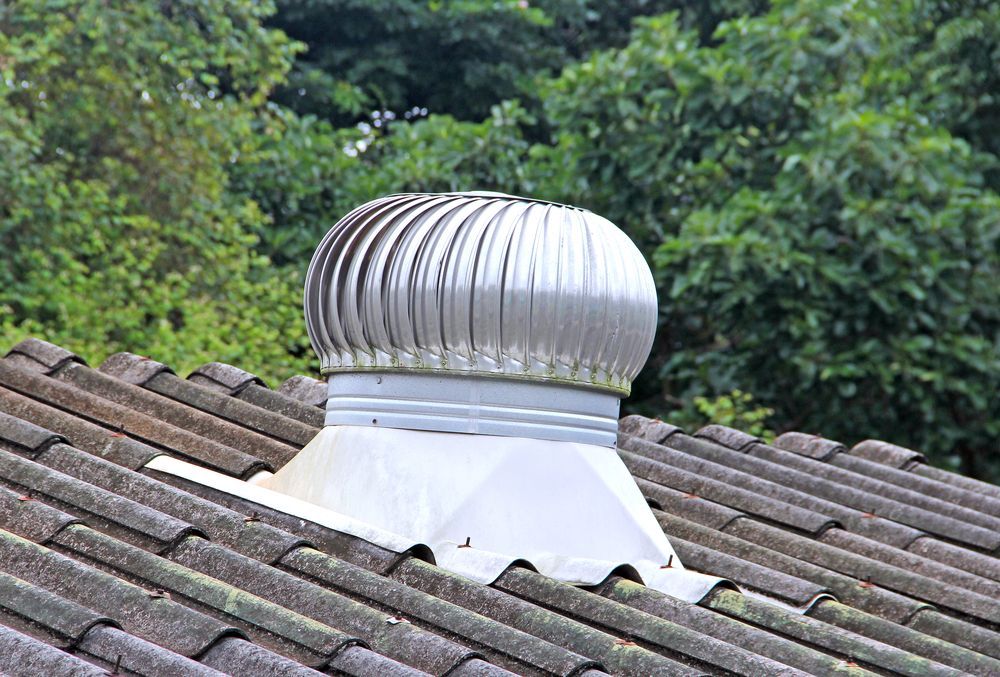
Metal Whirlybird at the Top of Roof
By Gold Coast Roof Repairs February 11, 2026
Learn how to maintain and clean your roof whirlybird to boost performance and extend its life. Get whirlybird installation in Gold Coast. Book now.
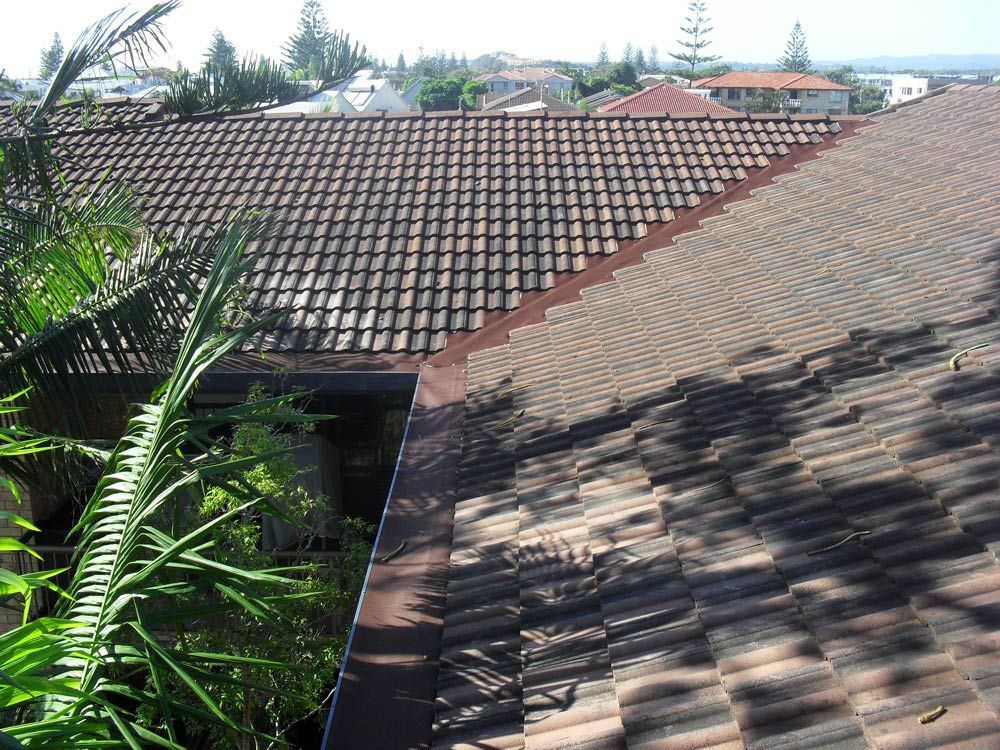
Brown Tiled Roof Being Repaired
By Gold Coast Roof Repairs January 8, 2026
Learn how often roof inspections are needed on the Gold Coast to prevent roof repair issues. Plan smart roof maintenance and book an inspection today.
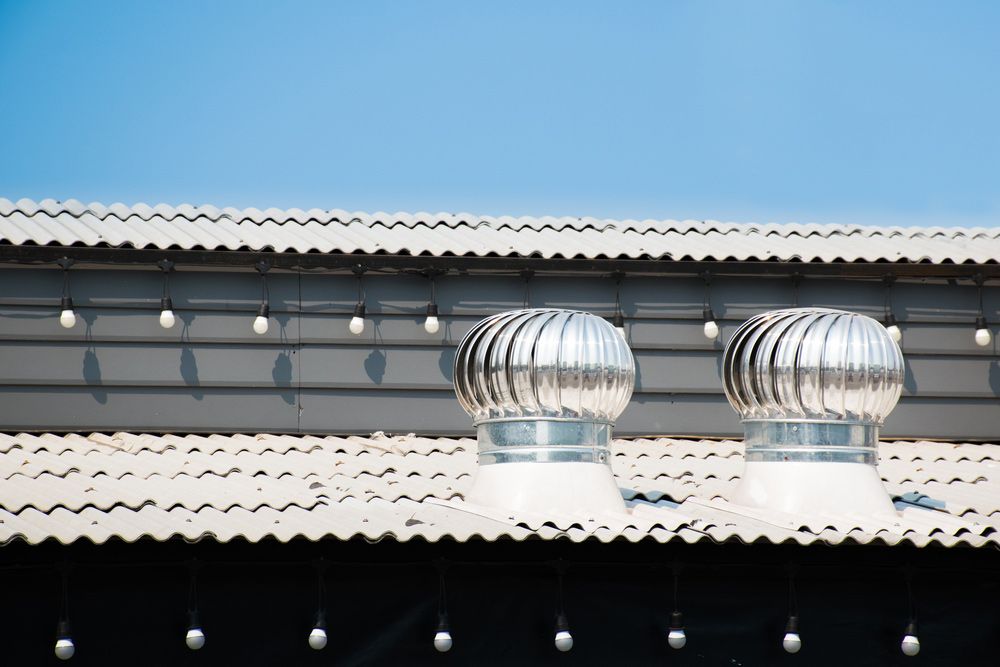
Whirlybirds Close-up On Roof
By Gold Coast Roof Repairs November 19, 2025
Compare whirlybird installation and solar roof vents to find the best option for your home comfort. Explore the details now.
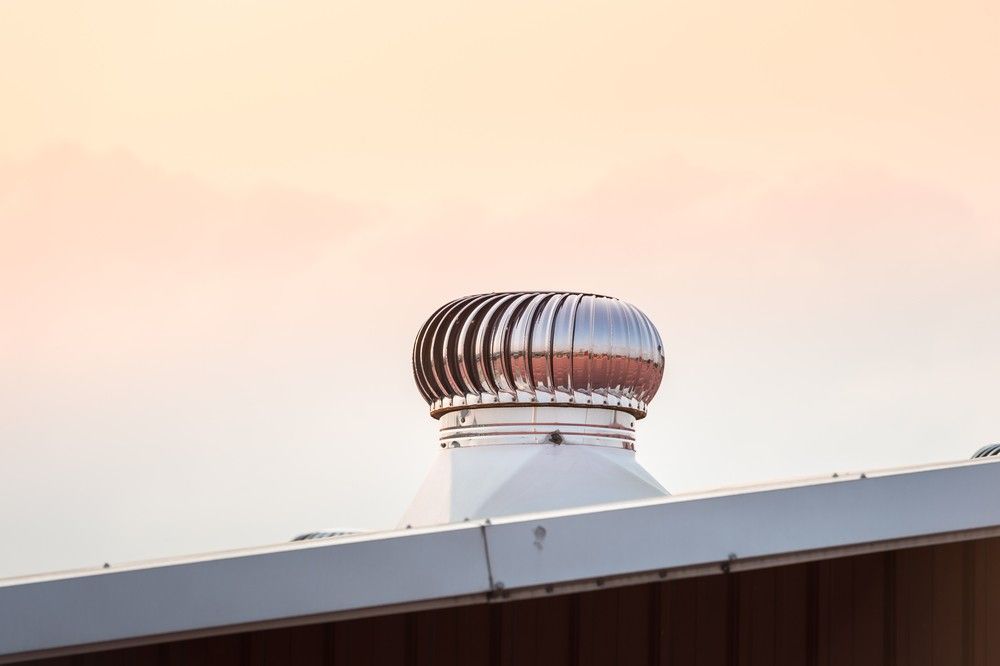
A Whirlybird on a Roof Tile
By Gold Coast Roof Repairs August 27, 2025
Discover the top benefits of whirlybird installation Gold Coast for better ventilation and energy savings. Learn more today and improve your roof’s efficiency.
whirlybird installation gold coast
By Gold Coast Roof Repairs August 5, 2025
Wondering what a whirlybird is? Learn how this simple roof vent improves airflow, reduces heat, and cuts energy costs. Find out how it works—read more now!