How To Fix A Leaking Roof

Gold Coast Roof Repairs • August 18, 2026

A leaking roof almost never starts where the water actually appears. Ceiling stains, damp patches and dripping sounds are the end result of a problem that could be metres away — a cracked tile, a failed valley seal, a blocked gutter or a gap in the flashing. Before anyone touches a ladder, the priority is understanding what's going on up there, not attempting a fix.


If you're searching for how to fix a leaking roof, the honest answer is that fixing it starts with understanding it. This guide walks through how to work out where a roof leak is coming from, what's safe to do while you wait for help and why a proper repair depends on getting a professional up on the roof rather than guessing from the ground.

What's Actually Causing Your Roof to Leak?

Tiled roofs are a system, not a single surface. Water is meant to run off tiles, through valleys, past flashings and into gutters without ever reaching the timber or ceiling below. Working out how to fix a leaking roof means identifying which part of that system has failed, rather than assuming the whole roof is at fault.


The most common causes on Gold Coast homes include:


  • Cracked, slipped or missing roof tiles
  • Failed or corroded valley seals where two roof planes meet
  • Blocked or damaged gutters causing water to back up under tiles
  • Deteriorated flashing around chimneys, vents or skylights
  • Storm damage that's dislodged tiles without an obvious break


Each of these produces water ingress in different conditions; some only leak during heavy wind-driven rain, others drip constantly once water finds a path. That pattern is one of the first clues to the source.

How to Trace a Roof Leak Back to Its Source

The first real step in learning how to fix a leaking roof is tracing it back to where the water is actually entering, rather than where it happens to appear inside. Water travels. A stain on the ceiling in one room can be caused by a leak metres away, running along a rafter or sarking before dripping down. This is why homeowners often can't find the source themselves, even when they're confident about which room the damage is in.


A few observations are genuinely useful to note and pass on to a roofer:


  1. When the leak appears during heavy rain, wind from a particular direction or constantly
  2. Where the stain or drip is located & whether it's grown over time
  3. Whether it coincides with a recent storm or fallen debris
  4. Any visible signs from the ground, like a dislodged tile or sagging gutter


This information helps narrow down the likely cause before an inspection even begins, but it's not a substitute for someone getting eyes on the actual roof surface. For a lasting result, roof leak repair Gold Coast homeowners trust comes down to identifying the root cause, not just patching the symptom.

Cracked or Slipped Tiles: The Most Common Culprit

Roof tiles crack from age, foot traffic, falling branches or hail impact. A single cracked tile might not leak in light rain, but under sustained or wind-driven rain, water finds its way through the gap and onto the sarking below.


Slipped tiles are just as common. Over time, the battens or fixings holding tiles in place can loosen, particularly on older roofs. A tile that's shifted even slightly out of alignment creates a gap that channels water straight through rather than off the edge.


From the ground, a cracked or slipped tile can be almost impossible to spot. It's usually only visible up close, which is one reason a proper roof inspection matters more than a quick look from the yard.

Failed Valley Seals on Tiled Roofs

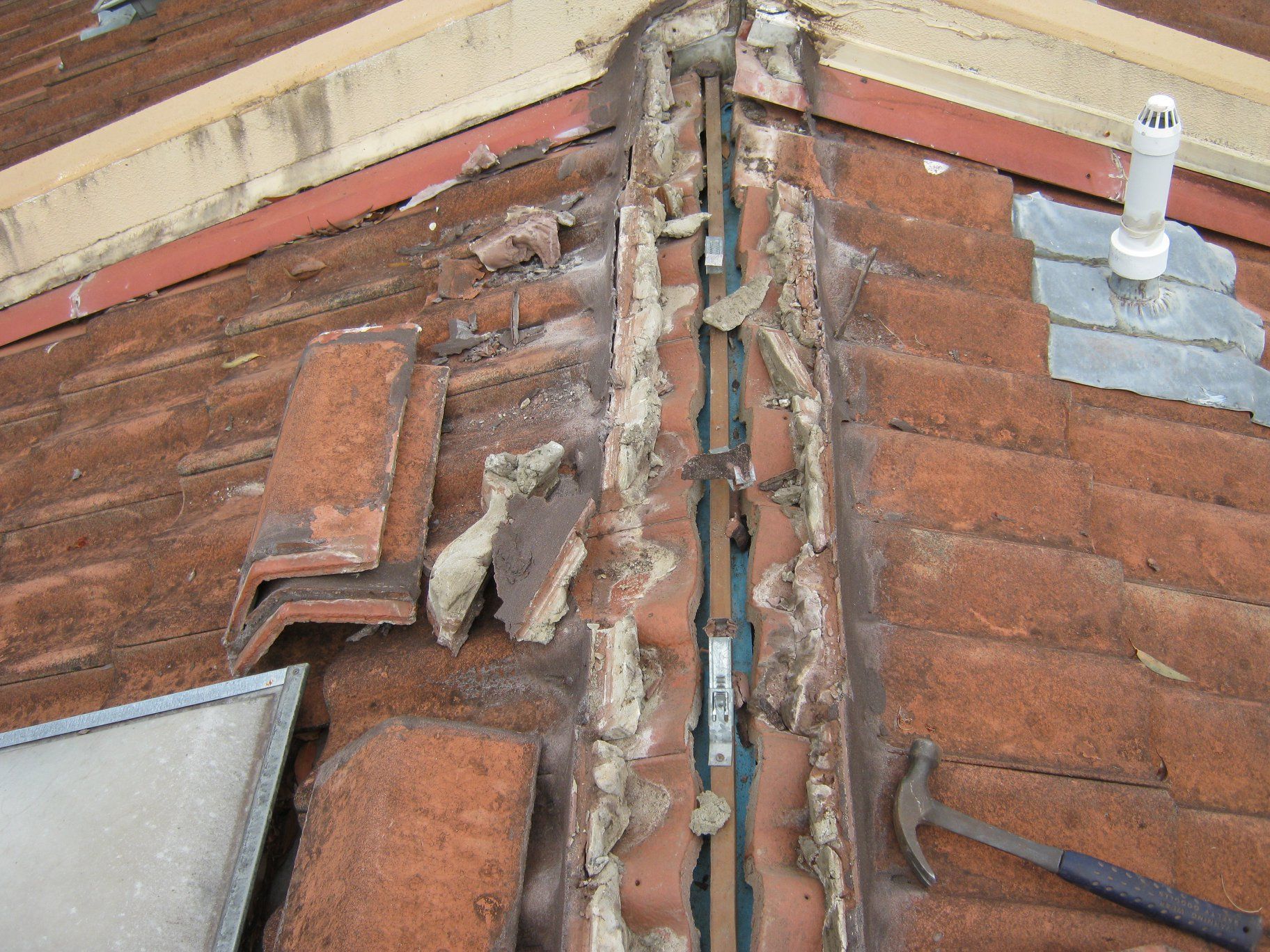
Valleys (where two sloping roof sections meet) carry a disproportionate amount of water compared to the rest of the roof. The seal along a valley is designed to keep that concentrated flow contained, but seals degrade with age, UV exposure and thermal movement.


Once a valley seal fails, water can seep underneath the tiles at exactly the point where the roof is handling the most runoff. This makes valley failures one of the more serious leak sources, because the volume of water involved is higher than a single cracked tile elsewhere on the roof. One of the most common leak sources on tiled roofs is a failed valley; valley seal installation Gold Coast roofers carry out is a straightforward fix when caught early.

Blocked Gutters and Overflow Damage

Gutters don't cause leaks directly, but a blocked or overflowing gutter creates the conditions for one. When leaves, debris or sediment build up, water has nowhere to go except back up under the tile line at the roof's edge; an area that isn't designed to handle standing water.


This is a slower-moving problem than a cracked tile, but it's just as damaging over time. Fascia boards can rot, eaves can stain and water can eventually track back into the roof cavity. Regular gutter clearing is one of the simplest ways to prevent an entirely avoidable leak.

Flashing Failures Around Penetrations

Anywhere something interrupts the roofline, a chimney, vent pipe, skylight or solar mounting, flashing is used to seal the junction. These are common failure points because they rely on a physical seal rather than the natural water-shedding shape of tiles.


Flashing can lift, corrode or crack over years of expansion and contraction, particularly in the Gold Coast's mix of heat, humidity and storm activity. A leak that appears near a vent or chimney, rather than in an open expanse of roof, often points straight to a flashing issue.

What to Do Safely While You Wait for a Roofer

Once a leak is noticed, the instinct is to want to fix it immediately but knowing how to fix a leaking roof safely means recognising what's a homeowner's job and what isn't. The safest and most useful response is to manage the damage inside the home while leaving the roof itself alone:


  • Place a bucket or container under the drip to protect flooring & furniture
  • Move furniture, electronics & rugs away from the affected area
  • If water is pooling on a ceiling, a small controlled hole can relieve pressure & prevent a larger collapse; this is a judgement call best discussed with a roofer over the phone first
  • Take photos of the damage as it appears, for both the roofer & any insurance claim
  • Avoid going onto the roof, especially in wet or windy conditions


None of these steps fix the leak. They're about limiting damage and staying safe until someone qualified can assess the actual cause.

Why Professional Repair Is the Only Lasting Fix

Climbing onto a tiled roof without the right footwear, harness points or experience is genuinely dangerous and it's also easy to make the problem worse. Tiles crack underfoot in the wrong spot and a temporary sealant applied to the wrong area can trap moisture rather than stop it.


More importantly, a leak that's been patched without finding the actual source tends to reappear, often in a different spot once water finds a new path. A proper repair starts with identifying every contributing factor, not just the point where water happens to be visible indoors. Booking roof inspections and photographic reports is the most reliable way to identify all leak sources before repair work begins. If you're wondering about the damage a slow leak can cause over time, our post on why you should never ignore a leaking roof covers it in detail.

The Takeaway

Learning how to fix a leaking roof is a diagnostic exercise before it's a repair job. Understanding the likely cause, protecting your home in the meantime and getting a qualified roofer to inspect the actual roof surface will get you a fix that lasts, rather than one that resurfaces after the next storm. For a thorough roof inspection from a trusted roofer, contact Gold Coast Roof Repairs today.

Frequently Asked Questions

  • How do I fix a leaking roof myself?

    Homeowners aren't advised to fix a leaking roof themselves. Tracing the source and applying a lasting repair requires climbing safely on tiled roofs, correctly identifying the failure point and using the right materials, which is why the process is best left to a licensed roofer.

  • How do I know if my roof leak is serious?

    Any active water ingress should be treated seriously, but leaks that appear during heavy or wind-driven rain, or that are growing in size on the ceiling, usually indicate a larger gap or failed seal rather than a minor issue. A professional inspection is the only way to confirm severity.

  • Can I patch a roof leak myself temporarily?

    Homeowners are generally advised against climbing onto tiled roofs, since incorrect foot placement can crack tiles that weren't previously damaged. Managing the interior damage — buckets, moved furniture, photos — is the safer option while waiting for a roofer.

  • My roof is leaking, who do I call?

    A licensed roofing contractor who specialises in tiled roofs and leak diagnosis is the right call, rather than a general handyman. They'll be able to trace the leak to its source and quote for a lasting repair rather than a temporary patch.

  • What causes a roof to leak without any visible damage?

    Failed valley seals, deteriorated flashing and blocked gutters can all cause leaks without an obvious crack or missing tile. These issues are often only visible on close inspection of the roof surface itself.

  • How long can I wait before repairing a leaking roof?

    Every day a leak goes unaddressed increases the risk of damage to timber framing, insulation and ceiling linings. Booking an inspection as soon as a leak is noticed, even if it seems minor, helps avoid more extensive repairs later.

  • Does home insurance cover roof leak repairs?

    Coverage depends on the cause and the individual policy, particularly whether the damage is linked to a storm event or general wear and tear. Photos taken at the time the leak appears are useful for any insurance claim, regardless of the outcome.
Roof Restoration In Gold Coast
By Gold Coast Roof Repairs July 27, 2026
Is roof restoration worth it? Learn the key benefits, costs and signs to help you decide. Read our guide and get expert insights today.
Rooftops With Light Gray Tiles on the Gold Coast
By Gold Coast Roof Repairs July 1, 2026
Compare your options with roof restoration gold coast experts and choose the right solution for your home. Read our guide today.
Black Rain Gutter Leaking Water Droplets
By Gold Coast Roof Repairs May 15, 2026
Protect your home with prompt roof leak repairs in Gold Coast services. Stop costly damage early and book an inspection today.
Two Metal Whirlybirds on Roof
By Gold Coast Roof Repairs April 9, 2026
Maximise roof ventilation with expert whirlybird installation on the Gold Coast. Learn ideal placement and book a professional assessment today.
By Gold Coast Roof Repairs March 19, 2026
Homes across the Gold Coast experience warm temperatures, coastal humidity and regular rainfall throughout the year. These conditions can create the perfect environment for moisture to build up inside roof spaces, particularly when airflow is limited. When heat and moisture become trapped inside a roof cavity, the result can include mould growth, timber deterioration, insulation damage and ceiling stains. One of the simplest and most effective ways to manage this risk is through proper roof ventilation, and this is where whirlybirds play an important role. Understanding how whirlybirds work and why they are effective can help homeowners protect their property from long-term moisture problems. Why Moisture Builds Up in Roof Spaces Many homeowners don’t realise how much moisture naturally enters a roof cavity during everyday living. Activities such as cooking, showering and even breathing release water vapour into the air inside the home. Some of this moisture eventually moves through ceilings and wall cavities and reaches the roof space. With the humid conditions often experienced across the Gold Coast, that moisture can linger in the roof cavity if there isn’t enough airflow to allow it to escape. When this happens, several issues may develop: · Condensation forming on timber rafters and roof tiles · Damp insulation losing its effectiveness · Mould growth in ceiling cavities · Timber rot affecting structural elements · Discolouration or staining on ceilings Without adequate airflow, warm air and moisture remain trapped in the roof cavity. Over time this can create ideal conditions for mould and long-term moisture damage. How Whirlybirds Improve Roof Ventilation Whirlybirds are wind-driven roof ventilators designed to remove hot, humid air from roof spaces. As wind passes over the spinning turbine head, it creates suction that pulls stale air out of the roof cavity. This process encourages fresh air to enter through other small openings in the roof structure, allowing continuous air circulation. Effective roof ventilation helps: · Remove trapped heat from the roof cavity · Reduce humidity levels inside the roof space · Prevent condensation on timber framing · Improve airflow throughout the roof structure The turbine design allows whirlybirds to operate without electricity. Even light wind can keep the ventilator spinning, making them a low-maintenance and energy-efficient way to improve airflow. Why Ventilation Matters on the Gold Coast Warm temperatures and coastal humidity mean homes on the Gold Coast often deal with high levels of moisture in the air. Roof cavities can heat up quickly during the day, and when warm air meets cooler surfaces overnight, condensation can form. Over time, this repeated cycle of heat and moisture can lead to visible damage inside the home. Proper moisture control inside the roof space becomes especially important in humid environments. When airflow improves, excess moisture can escape before it settles on building materials. Ventilation can also reduce heat build-up in roof cavities during summer, which may help maintain more stable indoor temperatures. Common Signs of Poor Roof Ventilation Moisture problems inside roof spaces often develop slowly, so the early warning signs can be easy to miss. Some of the most common indicators include: · Persistent musty smells inside the home · Dark spots or mould forming on ceilings · Peeling paint or discoloured ceiling areas · Damp insulation inside the roof cavity · Warping or deterioration of timber roof framing These symptoms may suggest that humid air is becoming trapped inside the roof cavity. Improving roof ventilation can often help reduce these conditions and protect the structure of the home. How Whirlybirds Help Prevent Mould Growth Mould thrives in warm, damp and poorly ventilated environments. Roof cavities that trap humidity provide ideal conditions for mould spores to spread across timber framing, insulation and ceiling materials. By continuously removing humid air, whirlybirds help reduce the moisture levels that mould requires to grow. This improved airflow supports better moisture control by: · Reducing condensation on roof framing · Allowing humid air to escape from the roof cavity · Helping insulation remain dry and effective · Minimising conditions that allow mould to spread While ventilation cannot eliminate every source of moisture, it plays an important role in reducing the conditions that allow mould to develop. Why Tiled Roofs Benefit from Whirlybird Installation Tiled roofs naturally contain small gaps and overlaps that allow air to circulate beneath the tiles. When ventilation is properly managed, this design helps release heat and moisture from the roof cavity. Whirlybirds support this process by drawing stale air upward and out of the roof space, encouraging consistent airflow through the roof structure. Professional whirlybird installation on the Gold Coast involves assessing the roof layout to determine the most suitable placement for effective ventilation. For homes with tiled roofing, careful positioning helps ensure airflow moves properly through the roof cavity and beneath the tiles. Correct placement allows the ventilator to capture airflow effectively and encourages balanced circulation throughout the roof space. The Importance of Professional Installation While whirlybirds are relatively simple devices, correct installation is essential for them to work effectively. Positioning, sealing and tile integration must be handled carefully to prevent leaks or damage to roof tiles. Roof tilers experienced in whirlybird installation on the Gold Coast understand how to integrate ventilators into tiled roofing systems while maintaining the roof’s structure and weatherproofing. Professional installation helps ensure: · Tiles remain properly aligned and sealed · Ventilators are positioned to maximise airflow · The roof structure is protected during installation · Long-term ventilation performance is achieved Because tiled roofs require specialised handling, installation should always be carried out by qualified roof tilers. When To Consider Whirlybird Installation Many homeowners consider installing whirlybirds when they notice signs of moisture or poor airflow in their roof cavity. Installation may also be beneficial when: · Renovating or upgrading roof ventilation · Addressing recurring condensation issues · Improving airflow in older tiled roofs · Preparing a home for warmer seasonal conditions When homeowners begin researching solutions, they often search online for whirlybird installation near me to find roof tilers who can assess their roof space and recommend suitable ventilation options. Assessing the roof cavity and identifying ventilation gaps can help determine whether whirlybirds are the right solution. Improving Roof Ventilation for Homes on the Gold Coast Effective roof ventilation plays an important role in protecting roof structures from moisture-related damage. In humid coastal environments on the Gold Coast, improving airflow within the roof cavity can help reduce the risk of mould growth, condensation and long-term timber deterioration. Professional whirlybird installation provides a practical way to support better airflow and ongoing moisture control in tiled roof spaces. Gold Coast Roof Repairs specialises in tiled roofing work and provides ventilation solutions designed for homes with tile roofs. Installing properly positioned whirlybirds can help maintain a drier roof cavity and support the long-term health of the roof. If you’re noticing signs of moisture, mould or poor airflow in your roof space, speaking with a roof tiler about improving roof ventilation can help identify practical solutions for your home.
Metal Whirlybird at the Top of Roof
By Gold Coast Roof Repairs February 11, 2026
Learn how to maintain and clean your roof whirlybird to boost performance and extend its life. Get whirlybird installation in Gold Coast. Book now.
Brown Tiled Roof Being Repaired
By Gold Coast Roof Repairs January 8, 2026
Learn how often roof inspections are needed on the Gold Coast to prevent roof repair issues. Plan smart roof maintenance and book an inspection today.
Whirlybirds Close-up On Roof
By Gold Coast Roof Repairs November 19, 2025
Compare whirlybird installation and solar roof vents to find the best option for your home comfort. Explore the details now.
Damaged Roof With Missing Tiles and Deteriorated Sealant in a Valley. Hammer Rests Nearby.
By Gold Coast Roof Repairs October 1, 2025
Learn the common signs your roof needs attention. Discover expert tips for roof repairs on the Gold Coast and effective roof damage repair solutions.
A Whirlybird on a Roof Tile
By Gold Coast Roof Repairs August 27, 2025
Discover the top benefits of whirlybird installation Gold Coast for better ventilation and energy savings. Learn more today and improve your roof’s efficiency.
More Posts