Is Roof Restoration Worth It?

Gold Coast Roof Repairs • July 27, 2026

Table of Contents

If your tiled roof is somewhere between 15 and 25 years old and starting to look tired, the question is worth answering properly. Is roof restoration worth it, or are you better off going straight to a full replacement? For most homeowners that Gold Coast Roof Repairs speaks with, the answer comes down to the condition of the tiles and structure underneath, not just how the roof looks from the street.


This guide walks through what restoration actually involves, when it makes sense over a replacement and why the Gold Coast climate changes the calculation for tiled roofs specifically.

What Is Roof Restoration?

Roof restoration is a process that repairs, cleans and reseals an existing tiled roof rather than removing and replacing it. It typically includes re-bedding and re-pointing ridge capping, replacing cracked or broken tiles, high-pressure cleaning to remove moss and lichen and applying a protective sealant or membrane coat over the surface.


The goal is to bring an ageing roof back to a weatherproof, structurally sound condition without the cost or disruption of a full tear-off. Done well, it addresses the underlying causes of leaks and deterioration, not just the surface appearance.

Is Roof Restoration Worth It for a 15-25 Year Old Tiled Roof?

For a roof in this age bracket, restoration is usually worth it if the tiles themselves are still structurally sound. Concrete and terracotta tiles typically have a lifespan of 40 to 60 years when properly maintained, which means a 15 to 25 year old roof is often still well within its useful life. The problem is rarely the tiles. It is usually failed pointing, degraded sarking or a sealant coating that has worn off and stopped protecting the surface.


If an inspection confirms the tiles are intact and the roof structure is sound, restoration addresses the actual issue at a fraction of replacement cost. If the tiles are cracking extensively, the roof has sagged or there is widespread water damage to the timber battens underneath, restoration is not the right call and replacement becomes the more sensible option.

Roof Restoration vs Replacement: How Do You Choose?

The decision between roof restoration vs replacement usually comes down to three factors: the age and condition of the tiles, the state of the structure underneath and your budget timeline. Restoration makes sense when the tiles are sound, the roof frame is not compromised and you want to extend the roof's life for another 10 to 15 years without a major capital outlay.


Replacement becomes necessary when there is significant structural damage, when a large percentage of tiles are cracked or broken beyond repair or when the roof has reached the end of its practical lifespan. For most tiled homes, the roof restoration Gold Coast roofers recommend is far more cost-effective than a full re-roof when structural damage is limited. A proper inspection is the only reliable way to know which category your roof falls into.

What Does the Roof Restoration Process Involve?

A thorough roof restoration process generally follows these steps:

  1. Initial inspection to assess tile condition, ridge capping, flashing and structural integrity.
  2. High-pressure cleaning to strip away moss, lichen, dirt and old coating residue.
  3. Tile replacement for any cracked, broken or missing tiles.
  4. Re-bedding and re-pointing of ridge capping using flexible pointing compounds that resist cracking.
  5. Repairs to flashing and valleys where water most commonly finds a way in.
  6. Priming and sealing with a protective membrane that locks tiles together and reflects heat.

Each step matters. Skipping the re-bedding stage, for example, is one of the most common reasons a restoration fails to last, because ridge capping is where most leaks eventually start.

How Long Does Roof Restoration Last?

A properly executed restoration typically lasts 10 to 15 years before another round of maintenance is needed, and sometimes longer depending on the quality of the products used and how exposed the roof is to weather. This is according to industry best practice for tiled roof coatings and sealants in Australian conditions.


The lifespan depends heavily on preparation. A restoration that skips proper cleaning or uses a lower grade sealant will degrade faster, particularly in coastal environments where UV exposure and salt air accelerate wear. This is why the quality of the tradesperson matters as much as the product itself.

Signs You Need Roof Restoration

Some signs point clearly toward restoration rather than a full replacement:

  • Fading, chalky or patchy tile colour
  • Moss or lichen growth across large sections of the roof
  • Cracked or lifted ridge capping
  • Minor tile cracks without widespread breakage
  • Small leaks during heavy rain that don't correspond to major structural damage

If you're unsure where your roof sits, reviewing the common signs your roof needs repair is a useful starting point before deciding between restoration and replacement.

Why the Gold Coast Climate Makes Restoration Worth Considering

Gold Coast homes deal with a specific combination of conditions that wear down tiled roofs faster than in drier, cooler climates. High humidity encourages moss and lichen growth, which traps moisture against tile surfaces and accelerates deterioration. Salt air from coastal exposure corrodes metal flashing and fixings over time, while intense UV exposure breaks down old sealants and causes tiles to fade and become porous.


These factors mean a tiled roof on the Gold Coast often needs restoration sooner than the same roof would in a milder climate, but they also mean restoration delivers real value here. A quality sealant coat specifically formulated for coastal and subtropical conditions protects against exactly these pressures, extending the roof's functional life and improving its resistance to future weather damage.

What Does Roof Restoration Cost on the Gold Coast?

The cost of a roof restoration on the Gold Coast varies depending on roof size, tile type and the extent of repairs needed before sealing. As a general rule, restoration costs a fraction of full replacement, since it avoids the labour and material cost of stripping tiles, replacing sarking and battens and re-laying an entire roof.


The exact price depends on how many tiles need replacing, whether ridge capping requires full re-bedding and the size of the roof area. Arranging roof inspections Gold Coast homeowners trust is the best way to determine whether your roof is a restoration or replacement candidate and to get an accurate quote based on its actual condition rather than guesswork.

Is Roof Restoration Worth It? The Bottom Line

For most Gold Coast homeowners with a tiled roof between 15 and 25 years old, restoration is worth it when the tiles are structurally sound and the damage is limited to surface wear, failed pointing or degraded sealant. It costs significantly less than replacement and, done properly, can add another decade or more to the roof's working life.


The only way to know for certain is a proper inspection. If you're weighing up your options, the team at Gold Coast Roof Repairs can assess your roof's condition and give you a straight answer on whether restoration or replacement makes sense for your home. Pairing restoration with an ongoing roof maintenance plan is the best way to extend the results long-term.

Frequently Asked Questions

  • Is roof restoration cheaper than replacement?

    Yes. Restoration typically costs a fraction of full replacement because it works with the existing tiles and structure rather than stripping and rebuilding the roof from scratch.

  • How do I know if my roof needs restoration or replacement?

    The best way is a professional inspection that checks tile condition, structural integrity and the state of ridge capping and flashing. Surface wear and failed pointing point toward restoration, while cracked structure or widespread tile failure points toward replacement.


  • Does roof restoration stop leaks?

    It can, if the leak is caused by failed pointing, cracked ridge capping or worn sealant. Restoration re-beds and re-points these areas and applies a fresh protective coating, which addresses most common causes of tiled roof leaks.

  • How often should a tiled roof be restored?

    Most tiled roofs benefit from restoration every 10 to 15 years, though this varies depending on climate exposure and the quality of the original restoration work.


  • Can I restore a roof myself?

    Roof restoration involves working at height, handling fragile tiles and applying specialised sealants correctly, so it's generally not a safe or reliable DIY project. Professional restoration also carries workmanship guarantees that DIY work does not.


  • Does restoration add value to my home?

    A well maintained roof improves street appeal and reassures buyers that there are no hidden structural issues, which can support your home's value at resale.
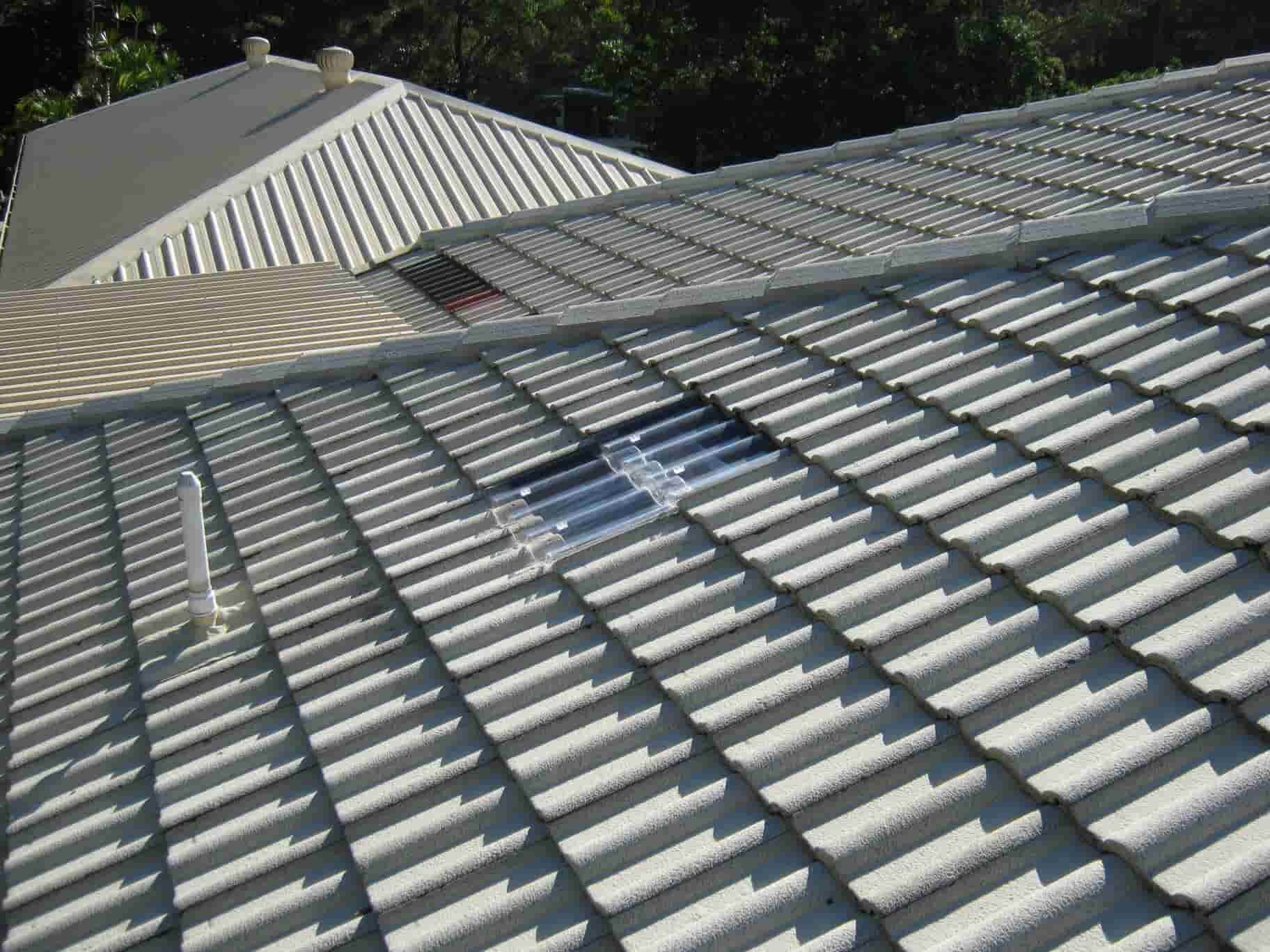
Rooftops With Light Gray Tiles on the Gold Coast
By Gold Coast Roof Repairs July 1, 2026
Compare your options with roof restoration gold coast experts and choose the right solution for your home. Read our guide today.
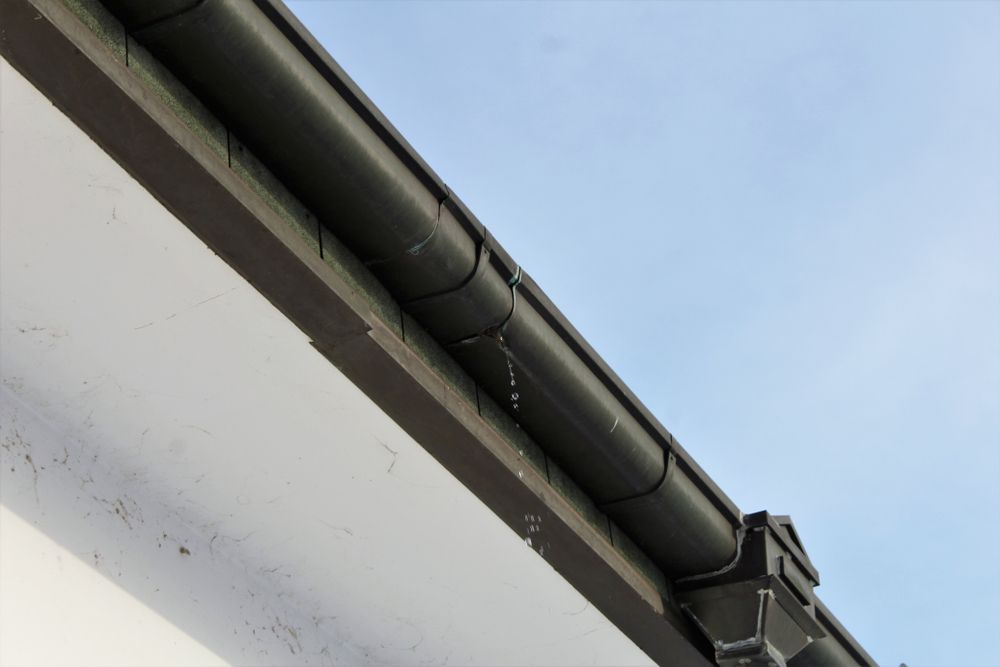
Black Rain Gutter Leaking Water Droplets
By Gold Coast Roof Repairs May 15, 2026
Protect your home with prompt roof leak repairs in Gold Coast services. Stop costly damage early and book an inspection today.
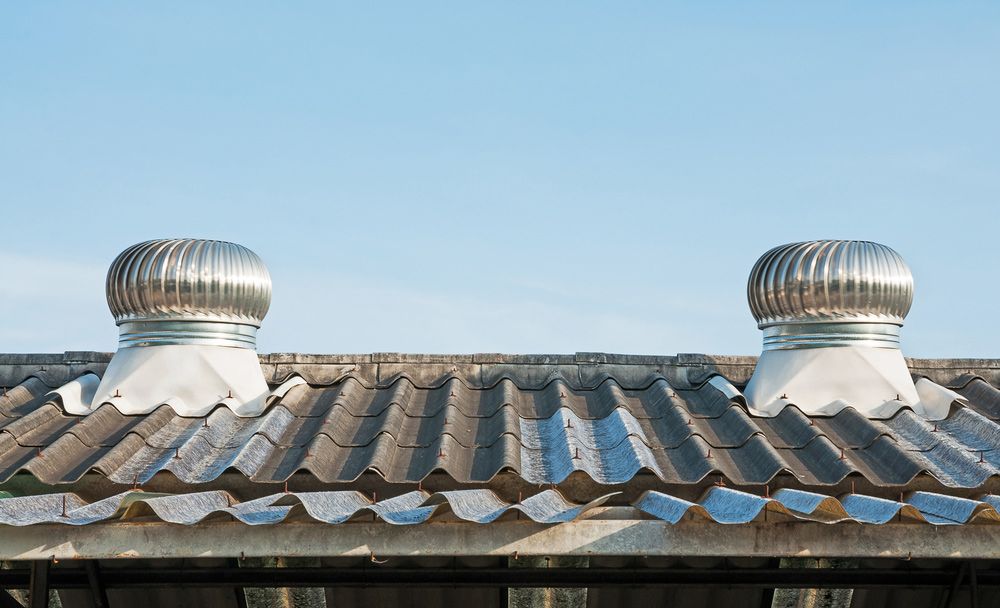
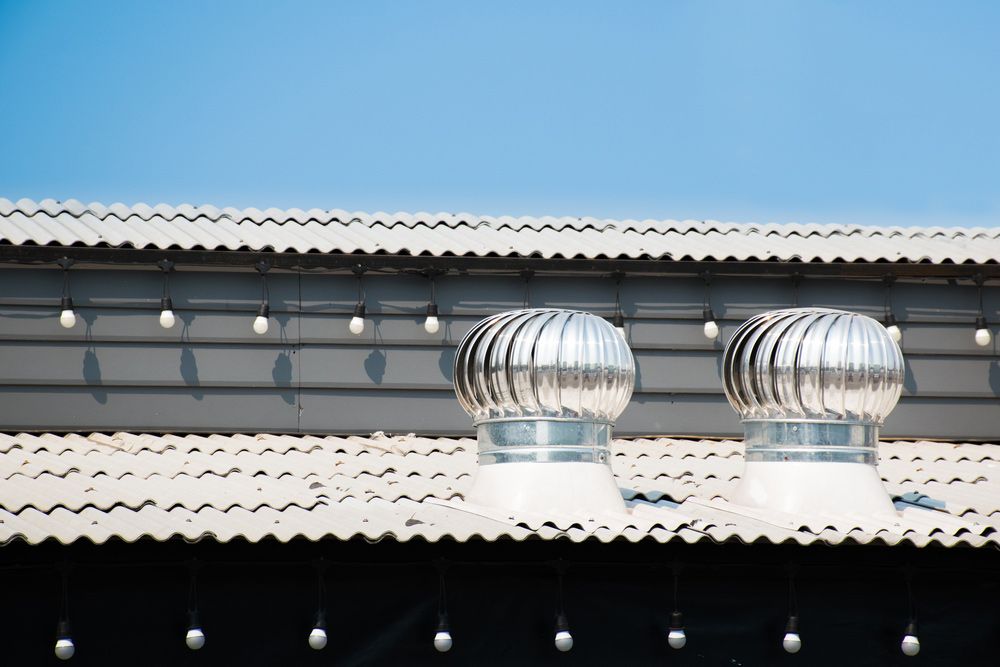
Two Metal Whirlybirds on Roof
By Gold Coast Roof Repairs April 9, 2026
Maximise roof ventilation with expert whirlybird installation on the Gold Coast. Learn ideal placement and book a professional assessment today.
By Gold Coast Roof Repairs March 19, 2026
Homes across the Gold Coast experience warm temperatures, coastal humidity and regular rainfall throughout the year. These conditions can create the perfect environment for moisture to build up inside roof spaces, particularly when airflow is limited. When heat and moisture become trapped inside a roof cavity, the result can include mould growth, timber deterioration, insulation damage and ceiling stains. One of the simplest and most effective ways to manage this risk is through proper roof ventilation, and this is where whirlybirds play an important role. Understanding how whirlybirds work and why they are effective can help homeowners protect their property from long-term moisture problems. Why Moisture Builds Up in Roof Spaces Many homeowners don’t realise how much moisture naturally enters a roof cavity during everyday living. Activities such as cooking, showering and even breathing release water vapour into the air inside the home. Some of this moisture eventually moves through ceilings and wall cavities and reaches the roof space. With the humid conditions often experienced across the Gold Coast, that moisture can linger in the roof cavity if there isn’t enough airflow to allow it to escape. When this happens, several issues may develop: · Condensation forming on timber rafters and roof tiles · Damp insulation losing its effectiveness · Mould growth in ceiling cavities · Timber rot affecting structural elements · Discolouration or staining on ceilings Without adequate airflow, warm air and moisture remain trapped in the roof cavity. Over time this can create ideal conditions for mould and long-term moisture damage. How Whirlybirds Improve Roof Ventilation Whirlybirds are wind-driven roof ventilators designed to remove hot, humid air from roof spaces. As wind passes over the spinning turbine head, it creates suction that pulls stale air out of the roof cavity. This process encourages fresh air to enter through other small openings in the roof structure, allowing continuous air circulation. Effective roof ventilation helps: · Remove trapped heat from the roof cavity · Reduce humidity levels inside the roof space · Prevent condensation on timber framing · Improve airflow throughout the roof structure The turbine design allows whirlybirds to operate without electricity. Even light wind can keep the ventilator spinning, making them a low-maintenance and energy-efficient way to improve airflow. Why Ventilation Matters on the Gold Coast Warm temperatures and coastal humidity mean homes on the Gold Coast often deal with high levels of moisture in the air. Roof cavities can heat up quickly during the day, and when warm air meets cooler surfaces overnight, condensation can form. Over time, this repeated cycle of heat and moisture can lead to visible damage inside the home. Proper moisture control inside the roof space becomes especially important in humid environments. When airflow improves, excess moisture can escape before it settles on building materials. Ventilation can also reduce heat build-up in roof cavities during summer, which may help maintain more stable indoor temperatures. Common Signs of Poor Roof Ventilation Moisture problems inside roof spaces often develop slowly, so the early warning signs can be easy to miss. Some of the most common indicators include: · Persistent musty smells inside the home · Dark spots or mould forming on ceilings · Peeling paint or discoloured ceiling areas · Damp insulation inside the roof cavity · Warping or deterioration of timber roof framing These symptoms may suggest that humid air is becoming trapped inside the roof cavity. Improving roof ventilation can often help reduce these conditions and protect the structure of the home. How Whirlybirds Help Prevent Mould Growth Mould thrives in warm, damp and poorly ventilated environments. Roof cavities that trap humidity provide ideal conditions for mould spores to spread across timber framing, insulation and ceiling materials. By continuously removing humid air, whirlybirds help reduce the moisture levels that mould requires to grow. This improved airflow supports better moisture control by: · Reducing condensation on roof framing · Allowing humid air to escape from the roof cavity · Helping insulation remain dry and effective · Minimising conditions that allow mould to spread While ventilation cannot eliminate every source of moisture, it plays an important role in reducing the conditions that allow mould to develop. Why Tiled Roofs Benefit from Whirlybird Installation Tiled roofs naturally contain small gaps and overlaps that allow air to circulate beneath the tiles. When ventilation is properly managed, this design helps release heat and moisture from the roof cavity. Whirlybirds support this process by drawing stale air upward and out of the roof space, encouraging consistent airflow through the roof structure. Professional whirlybird installation on the Gold Coast involves assessing the roof layout to determine the most suitable placement for effective ventilation. For homes with tiled roofing, careful positioning helps ensure airflow moves properly through the roof cavity and beneath the tiles. Correct placement allows the ventilator to capture airflow effectively and encourages balanced circulation throughout the roof space. The Importance of Professional Installation While whirlybirds are relatively simple devices, correct installation is essential for them to work effectively. Positioning, sealing and tile integration must be handled carefully to prevent leaks or damage to roof tiles. Roof tilers experienced in whirlybird installation on the Gold Coast understand how to integrate ventilators into tiled roofing systems while maintaining the roof’s structure and weatherproofing. Professional installation helps ensure: · Tiles remain properly aligned and sealed · Ventilators are positioned to maximise airflow · The roof structure is protected during installation · Long-term ventilation performance is achieved Because tiled roofs require specialised handling, installation should always be carried out by qualified roof tilers. When To Consider Whirlybird Installation Many homeowners consider installing whirlybirds when they notice signs of moisture or poor airflow in their roof cavity. Installation may also be beneficial when: · Renovating or upgrading roof ventilation · Addressing recurring condensation issues · Improving airflow in older tiled roofs · Preparing a home for warmer seasonal conditions When homeowners begin researching solutions, they often search online for whirlybird installation near me to find roof tilers who can assess their roof space and recommend suitable ventilation options. Assessing the roof cavity and identifying ventilation gaps can help determine whether whirlybirds are the right solution. Improving Roof Ventilation for Homes on the Gold Coast Effective roof ventilation plays an important role in protecting roof structures from moisture-related damage. In humid coastal environments on the Gold Coast, improving airflow within the roof cavity can help reduce the risk of mould growth, condensation and long-term timber deterioration. Professional whirlybird installation provides a practical way to support better airflow and ongoing moisture control in tiled roof spaces. Gold Coast Roof Repairs specialises in tiled roofing work and provides ventilation solutions designed for homes with tile roofs. Installing properly positioned whirlybirds can help maintain a drier roof cavity and support the long-term health of the roof. If you’re noticing signs of moisture, mould or poor airflow in your roof space, speaking with a roof tiler about improving roof ventilation can help identify practical solutions for your home.
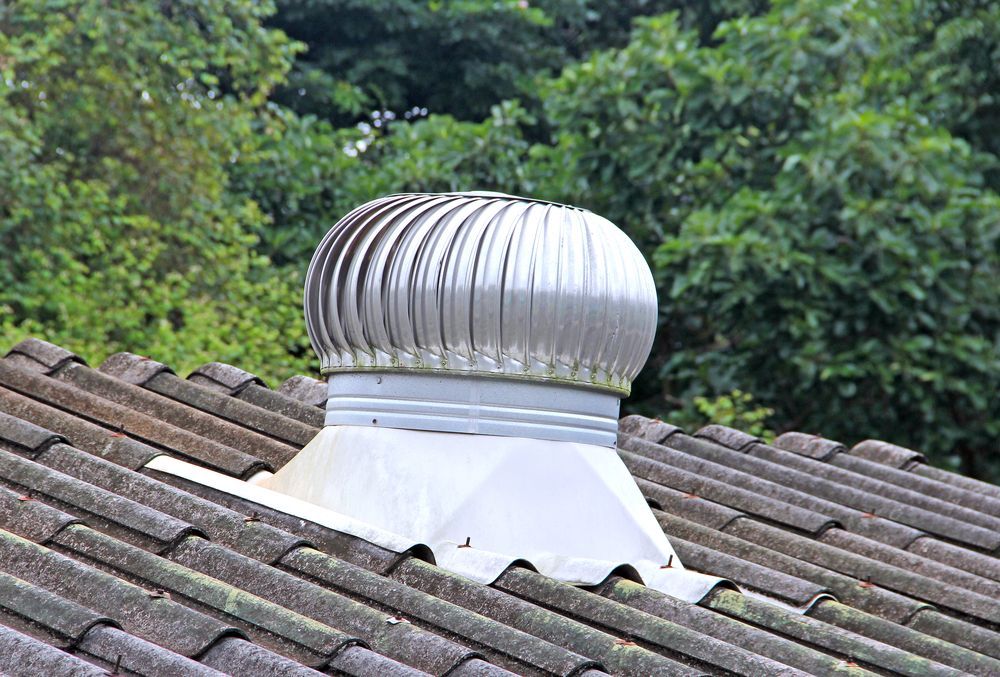
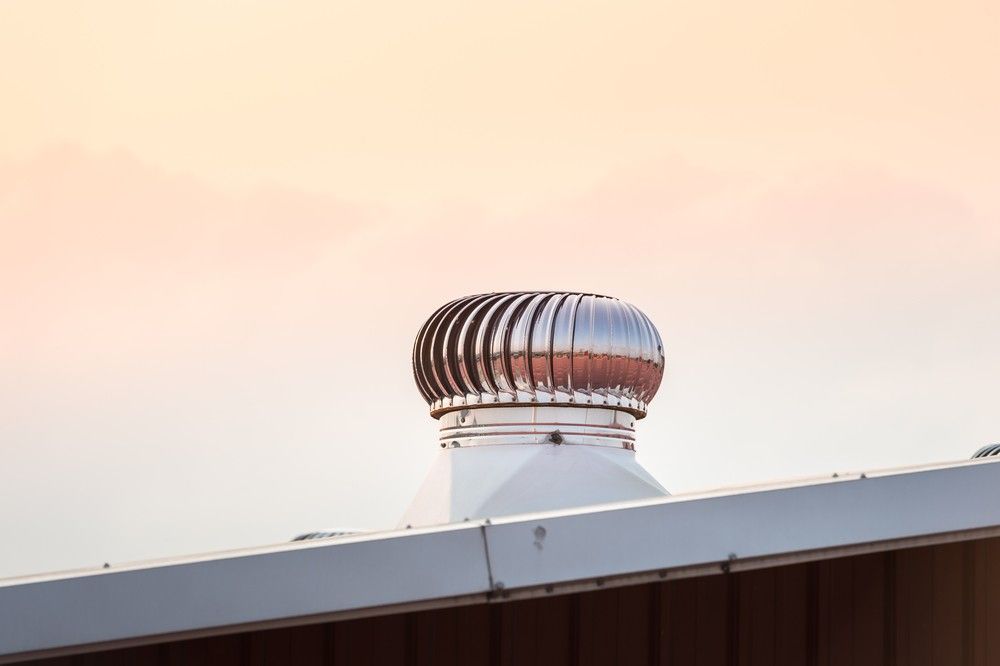
Metal Whirlybird at the Top of Roof
By Gold Coast Roof Repairs February 11, 2026
Learn how to maintain and clean your roof whirlybird to boost performance and extend its life. Get whirlybird installation in Gold Coast. Book now.
Brown Tiled Roof Being Repaired
By Gold Coast Roof Repairs January 8, 2026
Learn how often roof inspections are needed on the Gold Coast to prevent roof repair issues. Plan smart roof maintenance and book an inspection today.
Whirlybirds Close-up On Roof
By Gold Coast Roof Repairs November 19, 2025
Compare whirlybird installation and solar roof vents to find the best option for your home comfort. Explore the details now.
Damaged Roof With Missing Tiles and Deteriorated Sealant in a Valley. Hammer Rests Nearby.
By Gold Coast Roof Repairs October 1, 2025
Learn the common signs your roof needs attention. Discover expert tips for roof repairs on the Gold Coast and effective roof damage repair solutions.
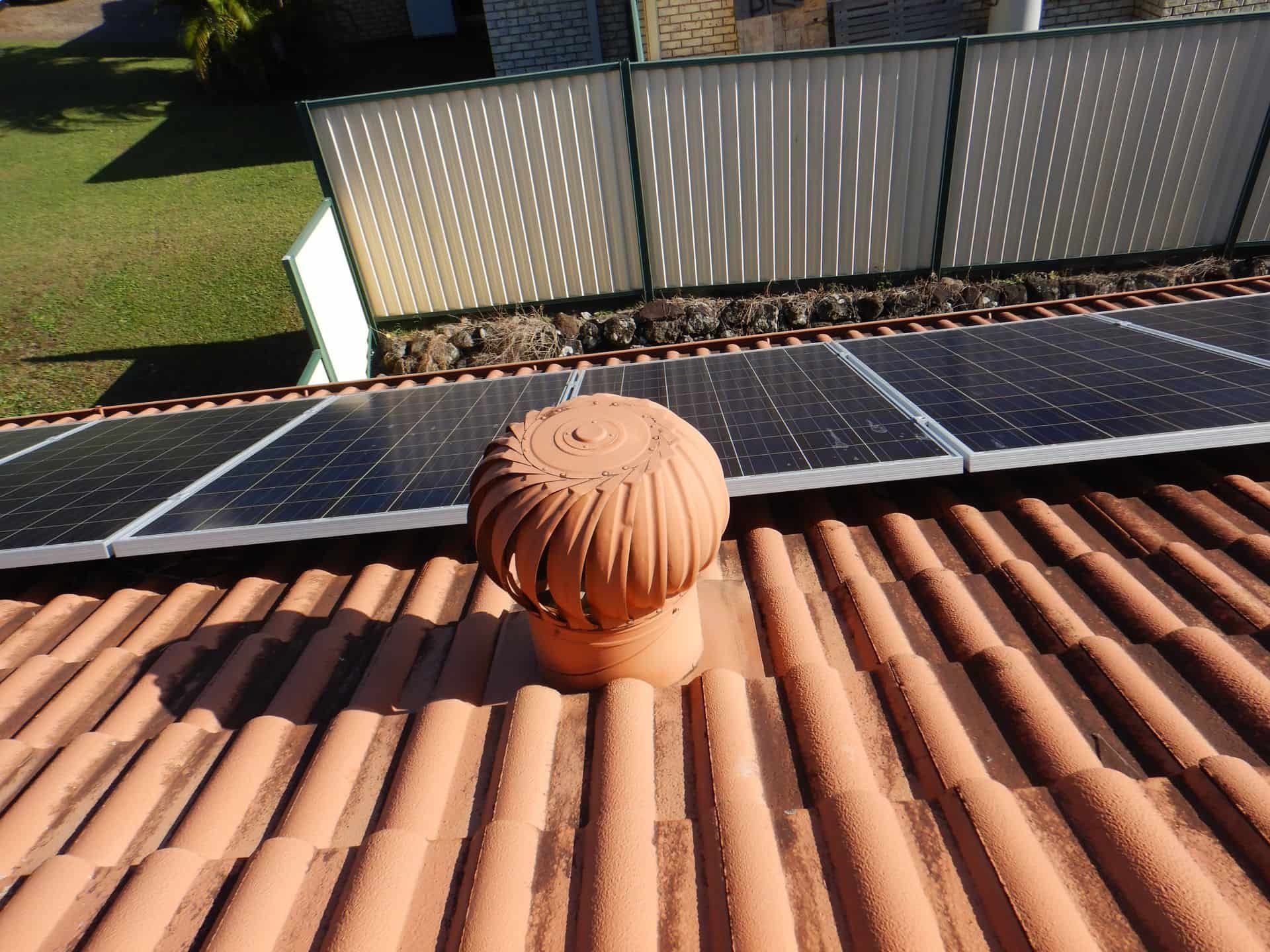
A Whirlybird on a Roof Tile
By Gold Coast Roof Repairs August 27, 2025
Discover the top benefits of whirlybird installation Gold Coast for better ventilation and energy savings. Learn more today and improve your roof’s efficiency.
whirlybird installation gold coast
By Gold Coast Roof Repairs August 5, 2025
Wondering what a whirlybird is? Learn how this simple roof vent improves airflow, reduces heat, and cuts energy costs. Find out how it works—read more now!