How Often Should You Have Your Roof Inspected On The Gold Coast?
Table of Contents
- Why Roof Inspections Matter for Tiled Roofs
- Gold Coast Weather and Its Impact on Tiled Roofs
- Coastal Air and Moisture
- Heavy Rainfall and Storms
- Strong Winds
- Intense Sun Exposure
- How Often Should Tiled Roofs Be Inspected?
- Every 12 Months
- After Severe Weather Events
- Older Roofs
- Before Buying or Selling
- Common Issues Found During Roof Inspections
- Cracked or Broken Tiles
- Displaced Tiles
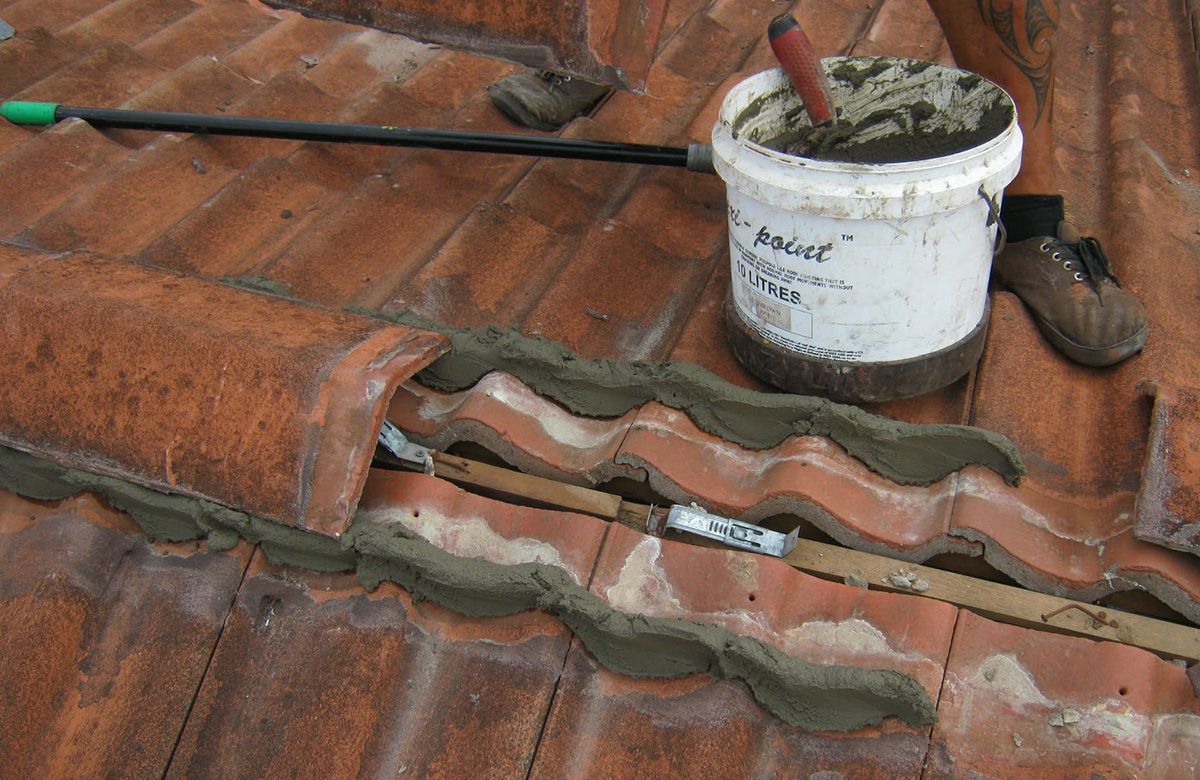
- Deteriorating Mortar and Pointing
- Blocked Valleys or Flashings
- Signs of Water Entry
- The Link Between Inspections and Roof Maintenance
- Signs You May Need an Inspection Sooner
- Preventing Costly Roof Repairs
- Why Tiled Roofs Benefit From Professional Inspections
- How Inspections Support Long-Term Roof Performance
- Making Roof Inspections Part of Your Home Maintenance Routine
- Roof Inspections on the Gold Coast – A Practical Step for Homeowners
- Roof Inspections on the Gold Coast – Support for Tiled Roofs
Your roof is one of the most important protective elements of your home, yet it’s also one of the most commonly overlooked. Many homeowners only think about their roof when a leak appears or visible damage becomes obvious. By that stage, issues may already be advanced and more expensive to address. Regular roof inspections help identify minor problems early, before they develop into more serious concerns.
For homeowners with tiled roofs, understanding how often inspections should take place is particularly important on the Gold Coast. The region’s coastal climate, seasonal storms and intense sun exposure all place ongoing stress on roofing materials. Knowing when to arrange
roof inspections on the Gold Coast can help you maintain the condition of your roof and reduce the likelihood of unexpected repairs.
Why Roof Inspections Matter for Tiled Roofs
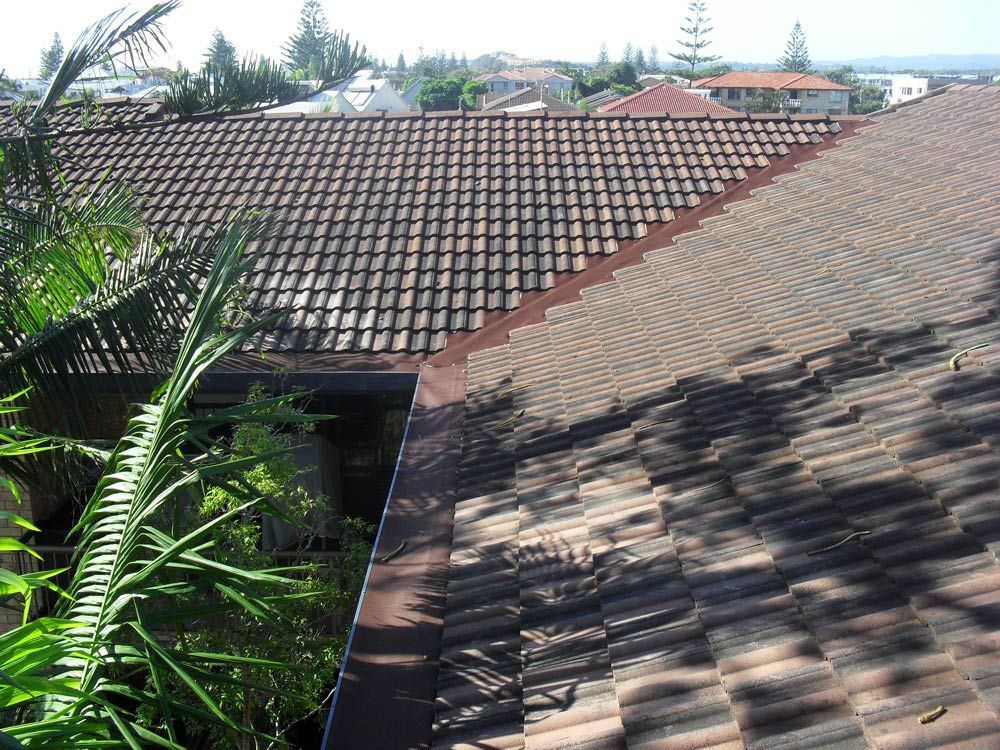
Tiled roofs are a popular choice across the Gold Coast due to their durability and appearance. However, roof tiles can shift, crack or loosen over time. Mortar bedding and pointing may deteriorate, and small gaps can allow water to enter the roof cavity.
Roof inspections focus on identifying these issues early. Rather than waiting for internal signs such as ceiling stains or mould, inspections assess the roof’s condition from the outside, where problems usually begin.
Regular inspections support:
- Early detection of cracked or displaced tiles
- Identification of worn mortar and pointing
- Prevention of water ingress
- Reduced risk of structural timber damage
- Better planning for roof maintenance on the Gold Coast
Gold Coast Weather and Its Impact on Tiled Roofs
The Gold Coast’s climate plays a significant role in how often tiled roofs should be inspected. Coastal conditions accelerate wear in ways that may not be as noticeable in milder or inland environments.
Coastal Air and Moisture
Salt-laden air can gradually affect roof components, particularly mortar and fixings. Over time, this exposure may weaken tile bedding and ridge caps.
Heavy Rainfall and Storms
Seasonal storms can dislodge tiles, loosen ridge capping and expose weak points. Even if damage isn’t visible from the ground, water can still find its way inside.
Strong Winds
High winds can lift or shift tiles, especially on older roofs where bedding has begun to degrade.
Intense Sun Exposure
Extended exposure to UV rays can cause tiles to become brittle over time, increasing the risk of cracking.
These conditions make routine inspections an important part of roof maintenance on the Gold Coast.
How Often Should Tiled Roofs Be Inspected?
While every property is different, there are general guidelines that suit most tiled roofs on the Gold Coast.
Every 12 Months
An annual inspection is a sensible baseline for most homes. This allows potential issues to be identified before they worsen and provides a clear picture of your roof’s overall condition.
After Severe Weather Events
Following major
storms, strong winds or prolonged heavy rainfall, an additional inspection is often worthwhile. Even if there are no immediate signs of damage, tiles or ridge caps may have shifted.
Older Roofs
If your tiled roof is more than 15–20 years old, inspections may be beneficial every 6 to 12 months. Age-related wear can increase the likelihood of movement or deterioration.
Pre-purchase or pre-sale inspections help identify existing issues and provide clarity for homeowners and buyers alike.
Regular roof inspections on the Gold Coast allow maintenance to be planned rather than rushed.
Common Issues Found During Roof Inspections
Routine inspections often uncover minor problems that are easily addressed when caught early.
Cracked or Broken Tiles
Tiles can crack due to impact, weathering or foot traffic. Even a single cracked tile can allow water to enter.
Displaced Tiles
Wind or gradual movement can cause tiles to slip out of position, exposing the underlay.
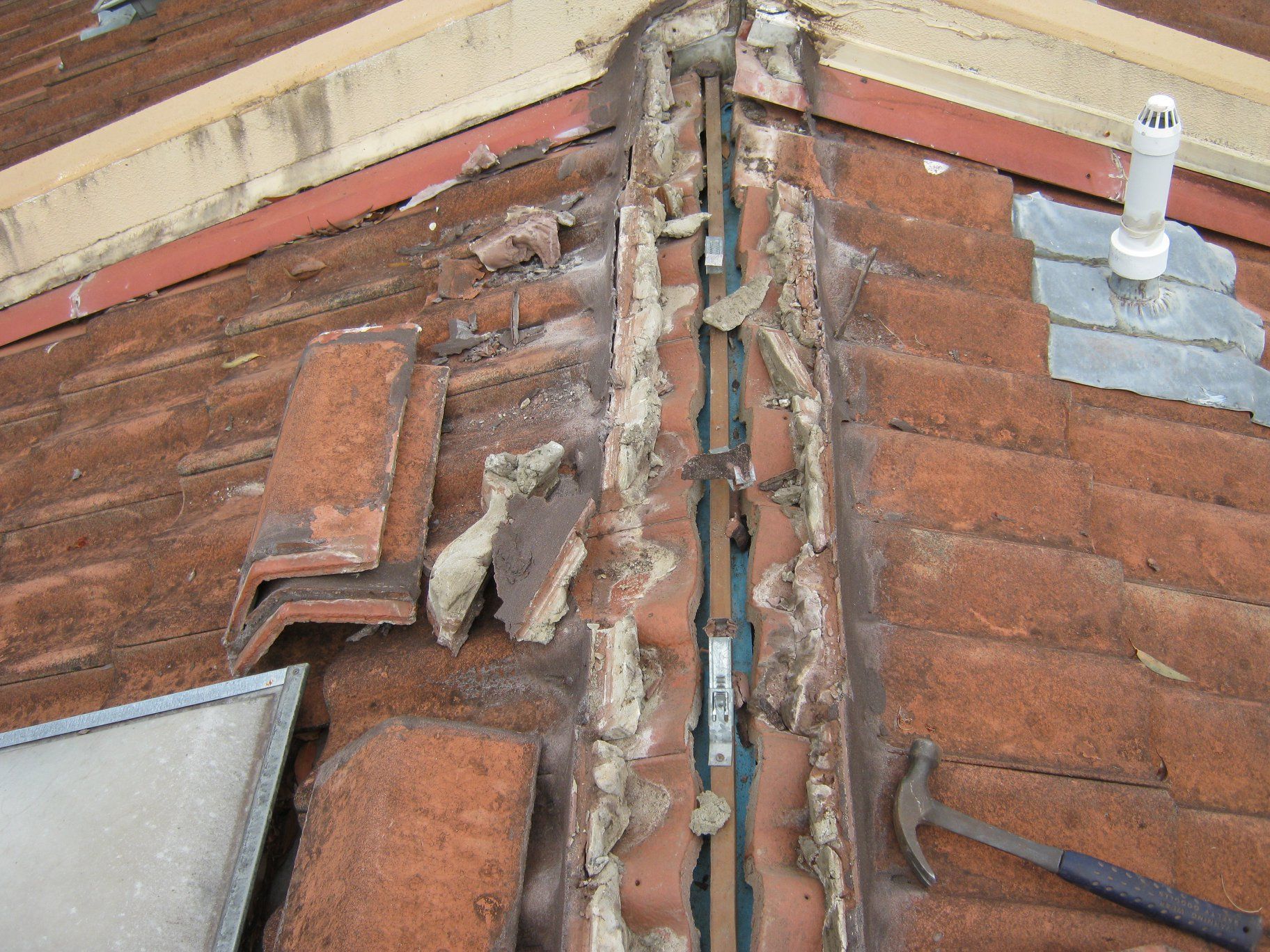
Over time, bedding and pointing around ridge caps can crack or crumble, increasing the risk of leaks.
Blocked Valleys or Flashings
While tiled roofs do not involve metal roofing systems, valleys and flashings still play a role in directing water. Debris buildup can cause water to pool.
Signs of Water Entry
Early indicators such as dampness or minor staining may point to roof issues that aren’t yet obvious internally.
Identifying these problems early helps reduce the need for extensive roof repair on the Gold Coast later on.
The Link Between Inspections and Roof Maintenance
Roof inspections and roof maintenance go hand in hand. Inspections identify issues, while maintenance addresses them before they escalate.
Proactive roof maintenance on the Gold Coast may include:
- Replacing damaged tiles
- Re-bedding or re-pointing ridge caps
- Realigning displaced tiles
- Clearing debris from roof surfaces
When inspections are carried out regularly, maintenance work is often simpler and less disruptive.
Signs You May Need an Inspection Sooner
While scheduled inspections are important, some signs suggest it may be time to arrange one sooner rather than later.
Watch for:
- Water stains on ceilings or walls
- Damp or mouldy smells in the roof space
- Visible tile movement from the ground
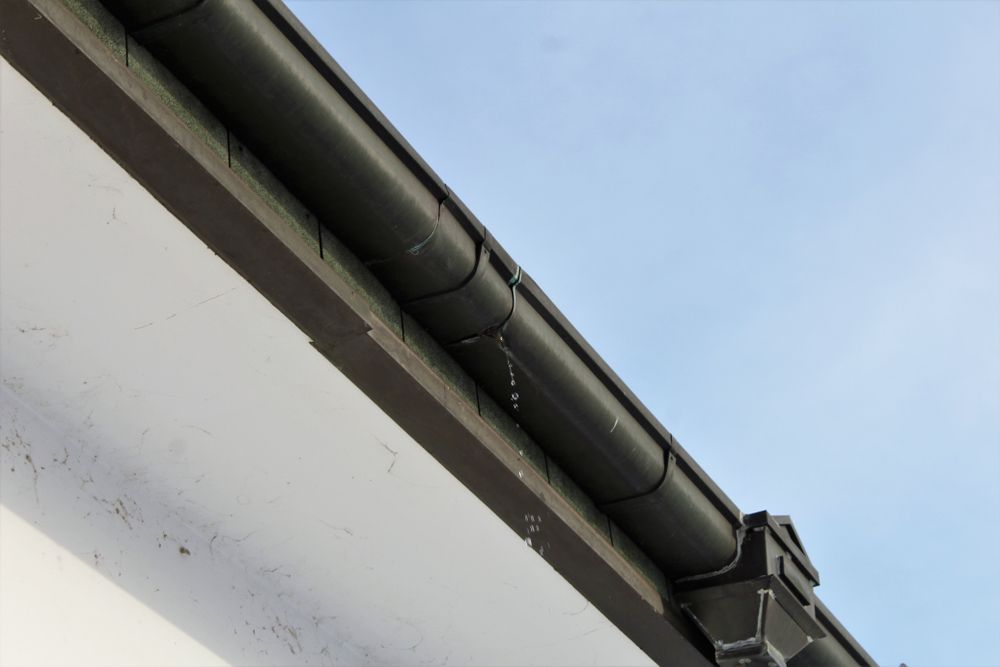
- Debris from tiles in gutters or around the home
- Increased noise from the roof during windy conditions
These signs may indicate underlying issues that require prompt attention.
Preventing Costly Roof Repairs
One of the main benefits of regular inspections is the ability to prevent more serious damage. Small roof issues can worsen quickly, especially during storm seasons.
Without routine inspections:
- Minor tile damage can lead to water ingress
- Moisture can affect roof timbers and insulation
- Repairs may become more extensive
- Internal damage may occur before problems are noticed
Regular inspections help homeowners stay ahead of these risks and manage roof repair on the Gold Coast more predictably.
Why Tiled Roofs Benefit From Professional Inspections
Walking on tiled roofs can be risky and may cause further damage if not done correctly. Professional roof inspections are carried out with care, using methods that minimise stress on tiles and roof structures.
A proper inspection assesses:
- Tile condition and placement
- Ridge cap integrity
- Mortar and pointing condition
- Areas prone to water pooling
- Overall roof stability
This approach provides homeowners with a clearer understanding of their roof’s condition.
How Inspections Support Long-Term Roof Performance
Roof inspections are not just about finding faults — they also help homeowners plan ahead. Understanding the current condition of your tiled roof allows you to budget for future maintenance and avoid unexpected issues.
Long-term benefits include:
- Extended roof lifespan
- Fewer emergency repairs
- Improved weather resistance
- Greater peace of mind during storm seasons
For Gold Coast homeowners, this proactive approach is particularly valuable given local climate conditions.
Making Roof Inspections Part of Your Home Maintenance Routine
Just like servicing air conditioning or checking plumbing, roof inspections should be part of a regular home maintenance schedule. Setting reminders or tying inspections to annual events can help ensure they aren’t overlooked.
By maintaining a routine, homeowners are better positioned to protect their property and manage maintenance costs over time.
Roof Inspections on the Gold Coast – A Practical Step for Homeowners
Regular inspections play a key role in keeping tiled roofs in good condition on the Gold Coast. By understanding how often inspections should occur and why they matter, homeowners can take practical steps to reduce risk and maintain their roof’s performance year after year.
Roof Inspections on the Gold Coast – Support for Tiled Roofs
At Gold Coast Roof Repairs, we assist homeowners with roof inspections on the Gold Coast, focusing exclusively on tiled roofs. Our inspections help identify early signs of wear that may lead to leaks or further damage if left unchecked. If you’re considering roof maintenance on the Gold Coast or would like to better understand the condition of your tiled roof, visit our website to arrange an inspection and discuss your roofing needs.