Roof Pressure Cleaning — What You Need To Know

Gold Coast Roof Repairs • September 30, 2026

A roof can gradually become stained or discoloured as moss, lichen, mould and grime build up across the surface. On the Gold Coast, humidity, rainfall and coastal conditions can also contribute to this build-up. Roof pressure cleaning helps remove these contaminants, but there is more to the job than simply pointing a pressure washer at the roof. The right cleaning method depends on the roofing material, its condition and what needs to be removed.

What Does Roof Pressure Cleaning Involve?

Roof pressure cleaning uses pressurised water to remove dirt, organic growth and other build-up from the roof surface. Before cleaning starts, the roof should be checked for existing damage so the method and pressure can be adjusted accordingly.


A pressure clean can remove:


  • Moss and lichen growing across the roof
  • Mould, algae and other organic build-up
  • Dirt and grime that have accumulated over time
  • Loose debris around tiles and roof features
  • Surface staining caused by removable build-up

Good roof pressure washing is not about using the highest possible pressure. It is about cleaning the surface thoroughly while using a method suited to the roof.

Why Gold Coast Roofs Develop Moss, Lichen and Staining

Roofs are constantly exposed to the weather. On the Gold Coast, warm and humid conditions can encourage moss, lichen, mould and other organic growth, particularly where sections of the roof stay damp or receive less sunlight.


Several factors can affect how quickly build-up develops:


  • Shade from nearby trees or buildings
  • Leaves and other organic matter settling on the roof
  • Regular exposure to rain and moisture
  • Dirt and airborne contaminants
  • Salt exposure around coastal properties


For homeowners looking into pressure cleaning for a roof on the Gold Coast, these local conditions are worth considering. A shaded tiled roof surrounded by trees may develop build-up more quickly than an exposed roof with little surrounding vegetation.

Signs Your Roof May Need Pressure Cleaning

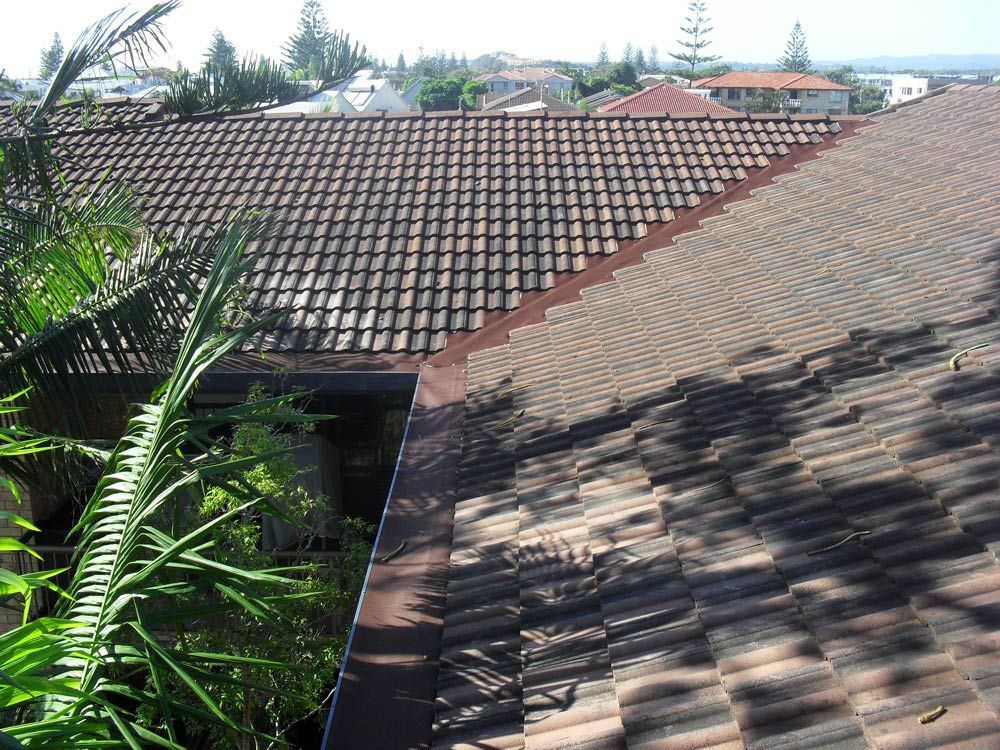
A change in the appearance of your roof is often the first sign that cleaning may be needed. Tiles can become darker, develop green patches or look increasingly stained as dirt and organic matter collect on the surface.


Signs that it may be time for roof cleaning on the Gold Coast include:


  • Moss or lichen spreading across the tiles
  • Dark or green patches of organic growth
  • Noticeable dirt, grime or discolouration
  • Build-up that has become more visible over time
  • Debris collecting around valleys and other roof areas

A dirty roof does not necessarily need restoration. If the roof itself is still in suitable condition, cleaning may be enough to deal with surface build-up. However, pressure cleaning will not fix cracked tiles, leaks, deteriorated pointing or other damage.


Knowing how often should you have your roof inspected on the Gold Coast can also help you keep track of its condition and identify maintenance that may be needed.

How Often Should You Pressure Clean a Roof?

If you are wondering how often should you pressure clean a roof, there is no set timeframe that suits every home. Some roofs collect dirt and organic growth more quickly because of their location, surroundings and exposure to the weather.


How often cleaning is needed can depend on:


  • The type, age and condition of the roof
  • Nearby trees and vegetation
  • How much shade the roof receives
  • Exposure to moisture and coastal conditions
  • How quickly moss, lichen or grime returns
  • Previous cleaning and maintenance


Rather than cleaning the roof according to a fixed schedule, look at its condition and the amount of build-up present. Regular roof inspections can also help identify when cleaning or other maintenance may be worthwhile.

Why Roof Material Changes the Cleaning Approach

Different roofing materials need different cleaning methods. Using the same pressure and technique across every type of roof can risk damaging the surface.


When considering how to clean roof tiles, the age and condition of the tiles matter. If you pressure wash roof tiles incorrectly, you may:


  • Put unnecessary pressure on aged or weathered tiles
  • Force water beneath tiles or into roof openings
  • Affect existing coatings or surface finishes
  • Overlook damaged areas that need attention first


Colorbond and other metal roofs need a different approach. Their protective finishes, joins and profiles need to be considered when choosing the pressure and direction of cleaning. Using excessive pressure can affect the surface or direct water where it should not go.


For roof tile cleaning on the Gold Coast, controlling the pressure and technique helps remove build-up while taking the condition of the roof into account.

DIY Roof Pressure Washing vs Professional Cleaning

Hiring a pressure washer may make DIY roof cleaning seem straightforward, but there are two important considerations: working safely at height and cleaning the roof without damaging it.


Problems can occur when:


  • Water pressure is too high for the roofing material
  • Water is directed underneath tiles
  • Existing cracks or damage are missed
  • The same technique is used on different roof materials
  • Foot traffic damages tiles
  • Cleaning is attempted on a wet or slippery roof

Professional roof cleaning takes the material and condition of the roof into account before work begins. The pressure and cleaning technique can then be adjusted to suit the surface rather than taking the same approach to every roof.


It can also be useful to deal with surrounding debris at the same time. Clearing valleys and gutters of leaves helps remove material from areas that need to carry rainwater away from the roof.

Why Pressure Cleaning Comes Before Roof Restoration

Pressure cleaning is not only used to clean a dirty roof. It can also be an important first stage when a roof needs restoration.


Roof cleaning before restoration removes moss, lichen, dirt and other contaminants so the surface is properly prepared for the work that follows.


Depending on the condition of the roof, the process may include:


  • Inspecting the roof for damage
  • Pressure cleaning dirt and organic growth
  • Completing necessary repairs and preparation
  • Carrying out the remaining restoration work


For a roof restoration on the Gold Coast, pressure cleaning prepares the roof surface rather than simply improving how it looks.


If the roof is otherwise in suitable condition, cleaning may be all that is needed. If there is damage or deterioration, pressure cleaning may instead form one part of a broader restoration.

Take the Next Step With Professional Roof Cleaning

Roof pressure cleaning can remove moss, lichen, dirt and grime that have built up over time. However, the roof material, its condition and the extent of the build-up all need to be considered when deciding how it should be cleaned.


At Gold Coast Roof Repairs, we provide roof pressure cleaning for Gold Coast homes, with the cleaning approach suited to the roof and its condition. If your roof is looking dirty, stained or covered in organic growth, get in touch with our team to discuss pressure cleaning for your home.

Frequently Asked Questions

  • Can pressure cleaning damage roof tiles?

    Using too much pressure or the wrong technique can damage some roof surfaces. The type, age and condition of the tiles should be considered before cleaning, particularly when tiles are already cracked, weathered or damaged.

  • Can you pressure clean a roof with moss and lichen?

    Pressure cleaning can remove moss, lichen and other organic build-up from suitable roof surfaces. The pressure and cleaning method should suit the roofing material and its condition rather than simply using the highest pressure available.


  • Should a roof be inspected before pressure cleaning?

    Checking the roof first can identify damaged tiles, deteriorated areas or other issues that could affect the cleaning process. It can also help determine whether the roof only needs cleaning or whether repairs or restoration should also be considered.

  • Is pressure cleaning necessary before a roof restoration?

    Pressure cleaning commonly forms part of the preparation for roof restoration. It removes dirt, moss, lichen and other contaminants so the roof surface is ready for the restoration work that follows.
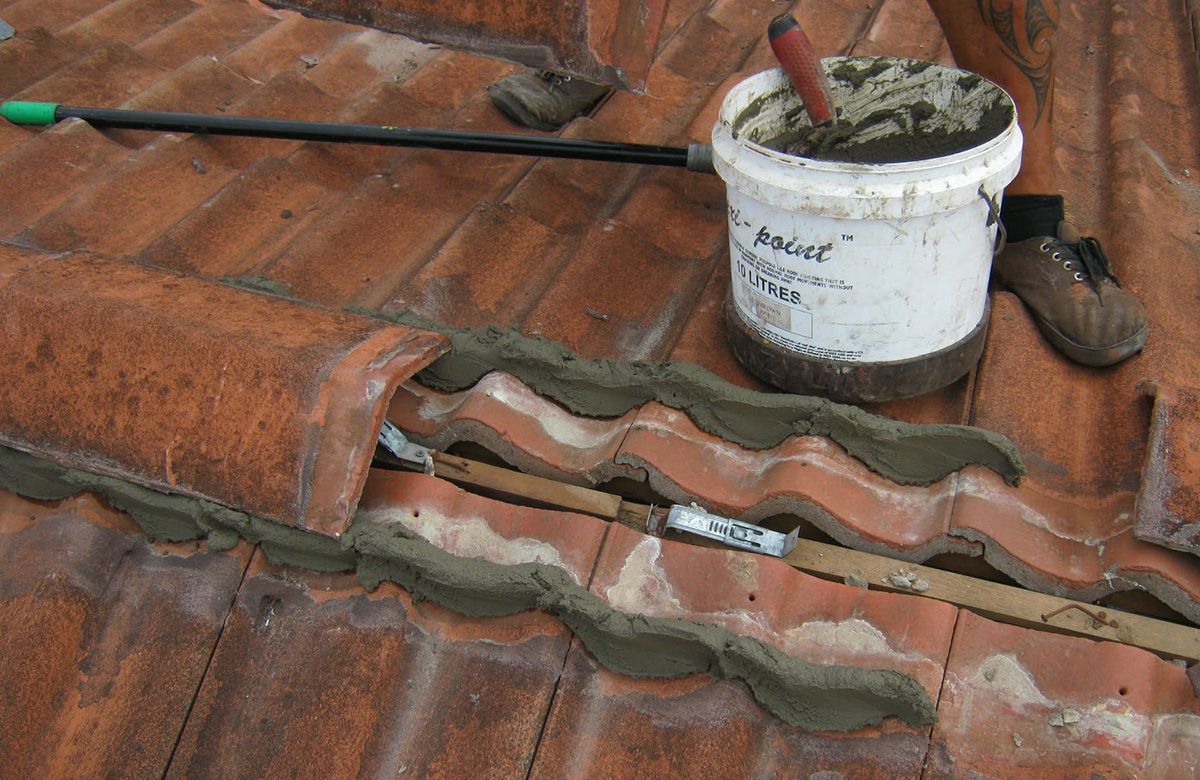
Repairing Roof Ridge Capping Mortar To Stop Leaks
By Gold Coast Roof Repairs • August 18, 2026
Wondering how to fix a leaking roof? Learn how to spot the source, act fast and call Gold Coast Roof Repairs today for expert advice, call 5563 0966.
Roof Restoration In Gold Coast
By Gold Coast Roof Repairs • July 27, 2026
Is roof restoration worth it? Learn the key benefits, costs and signs to help you decide. Read our guide and get expert insights today.
Rooftops With Light Gray Tiles on the Gold Coast
By Gold Coast Roof Repairs • July 1, 2026
Compare your options with roof restoration gold coast experts and choose the right solution for your home. Read our guide today.
Black Rain Gutter Leaking Water Droplets
By Gold Coast Roof Repairs • May 15, 2026
Protect your home with prompt roof leak repairs in Gold Coast services. Stop costly damage early and book an inspection today.
Two Metal Whirlybirds on Roof
By Gold Coast Roof Repairs • April 9, 2026
Maximise roof ventilation with expert whirlybird installation on the Gold Coast. Learn ideal placement and book a professional assessment today.
By Gold Coast Roof Repairs • March 19, 2026
Homes across the Gold Coast experience warm temperatures, coastal humidity and regular rainfall throughout the year. These conditions can create the perfect environment for moisture to build up inside roof spaces, particularly when airflow is limited. When heat and moisture become trapped inside a roof cavity, the result can include mould growth, timber deterioration, insulation damage and ceiling stains. One of the simplest and most effective ways to manage this risk is through proper roof ventilation, and this is where whirlybirds play an important role. Understanding how whirlybirds work and why they are effective can help homeowners protect their property from long-term moisture problems. Why Moisture Builds Up in Roof Spaces Many homeowners don’t realise how much moisture naturally enters a roof cavity during everyday living. Activities such as cooking, showering and even breathing release water vapour into the air inside the home. Some of this moisture eventually moves through ceilings and wall cavities and reaches the roof space. With the humid conditions often experienced across the Gold Coast, that moisture can linger in the roof cavity if there isn’t enough airflow to allow it to escape. When this happens, several issues may develop: · Condensation forming on timber rafters and roof tiles · Damp insulation losing its effectiveness · Mould growth in ceiling cavities · Timber rot affecting structural elements · Discolouration or staining on ceilings Without adequate airflow, warm air and moisture remain trapped in the roof cavity. Over time this can create ideal conditions for mould and long-term moisture damage. How Whirlybirds Improve Roof Ventilation Whirlybirds are wind-driven roof ventilators designed to remove hot, humid air from roof spaces. As wind passes over the spinning turbine head, it creates suction that pulls stale air out of the roof cavity. This process encourages fresh air to enter through other small openings in the roof structure, allowing continuous air circulation. Effective roof ventilation helps: · Remove trapped heat from the roof cavity · Reduce humidity levels inside the roof space · Prevent condensation on timber framing · Improve airflow throughout the roof structure The turbine design allows whirlybirds to operate without electricity. Even light wind can keep the ventilator spinning, making them a low-maintenance and energy-efficient way to improve airflow. Why Ventilation Matters on the Gold Coast Warm temperatures and coastal humidity mean homes on the Gold Coast often deal with high levels of moisture in the air. Roof cavities can heat up quickly during the day, and when warm air meets cooler surfaces overnight, condensation can form. Over time, this repeated cycle of heat and moisture can lead to visible damage inside the home. Proper moisture control inside the roof space becomes especially important in humid environments. When airflow improves, excess moisture can escape before it settles on building materials. Ventilation can also reduce heat build-up in roof cavities during summer, which may help maintain more stable indoor temperatures. Common Signs of Poor Roof Ventilation Moisture problems inside roof spaces often develop slowly, so the early warning signs can be easy to miss. Some of the most common indicators include: · Persistent musty smells inside the home · Dark spots or mould forming on ceilings · Peeling paint or discoloured ceiling areas · Damp insulation inside the roof cavity · Warping or deterioration of timber roof framing These symptoms may suggest that humid air is becoming trapped inside the roof cavity. Improving roof ventilation can often help reduce these conditions and protect the structure of the home. How Whirlybirds Help Prevent Mould Growth Mould thrives in warm, damp and poorly ventilated environments. Roof cavities that trap humidity provide ideal conditions for mould spores to spread across timber framing, insulation and ceiling materials. By continuously removing humid air, whirlybirds help reduce the moisture levels that mould requires to grow. This improved airflow supports better moisture control by: · Reducing condensation on roof framing · Allowing humid air to escape from the roof cavity · Helping insulation remain dry and effective · Minimising conditions that allow mould to spread While ventilation cannot eliminate every source of moisture, it plays an important role in reducing the conditions that allow mould to develop. Why Tiled Roofs Benefit from Whirlybird Installation Tiled roofs naturally contain small gaps and overlaps that allow air to circulate beneath the tiles. When ventilation is properly managed, this design helps release heat and moisture from the roof cavity. Whirlybirds support this process by drawing stale air upward and out of the roof space, encouraging consistent airflow through the roof structure. Professional whirlybird installation on the Gold Coast involves assessing the roof layout to determine the most suitable placement for effective ventilation. For homes with tiled roofing, careful positioning helps ensure airflow moves properly through the roof cavity and beneath the tiles. Correct placement allows the ventilator to capture airflow effectively and encourages balanced circulation throughout the roof space. The Importance of Professional Installation While whirlybirds are relatively simple devices, correct installation is essential for them to work effectively. Positioning, sealing and tile integration must be handled carefully to prevent leaks or damage to roof tiles. Roof tilers experienced in whirlybird installation on the Gold Coast understand how to integrate ventilators into tiled roofing systems while maintaining the roof’s structure and weatherproofing. Professional installation helps ensure: · Tiles remain properly aligned and sealed · Ventilators are positioned to maximise airflow · The roof structure is protected during installation · Long-term ventilation performance is achieved Because tiled roofs require specialised handling, installation should always be carried out by qualified roof tilers. When To Consider Whirlybird Installation Many homeowners consider installing whirlybirds when they notice signs of moisture or poor airflow in their roof cavity. Installation may also be beneficial when: · Renovating or upgrading roof ventilation · Addressing recurring condensation issues · Improving airflow in older tiled roofs · Preparing a home for warmer seasonal conditions When homeowners begin researching solutions, they often search online for whirlybird installation near me to find roof tilers who can assess their roof space and recommend suitable ventilation options. Assessing the roof cavity and identifying ventilation gaps can help determine whether whirlybirds are the right solution. Improving Roof Ventilation for Homes on the Gold Coast Effective roof ventilation plays an important role in protecting roof structures from moisture-related damage. In humid coastal environments on the Gold Coast, improving airflow within the roof cavity can help reduce the risk of mould growth, condensation and long-term timber deterioration. Professional whirlybird installation provides a practical way to support better airflow and ongoing moisture control in tiled roof spaces. Gold Coast Roof Repairs specialises in tiled roofing work and provides ventilation solutions designed for homes with tile roofs. Installing properly positioned whirlybirds can help maintain a drier roof cavity and support the long-term health of the roof. If you’re noticing signs of moisture, mould or poor airflow in your roof space, speaking with a roof tiler about improving roof ventilation can help identify practical solutions for your home.
Metal Whirlybird at the Top of Roof
By Gold Coast Roof Repairs • February 11, 2026
Learn how to maintain and clean your roof whirlybird to boost performance and extend its life. Get whirlybird installation in Gold Coast. Book now.
Brown Tiled Roof Being Repaired
By Gold Coast Roof Repairs • January 8, 2026
Learn how often roof inspections are needed on the Gold Coast to prevent roof repair issues. Plan smart roof maintenance and book an inspection today.
Whirlybirds Close-up On Roof
By Gold Coast Roof Repairs • November 19, 2025
Compare whirlybird installation and solar roof vents to find the best option for your home comfort. Explore the details now.
Damaged Roof With Missing Tiles and Deteriorated Sealant in a Valley. Hammer Rests Nearby.
By Gold Coast Roof Repairs • October 1, 2025
Learn the common signs your roof needs attention. Discover expert tips for roof repairs on the Gold Coast and effective roof damage repair solutions.
More Posts