Why You Should Never Ignore A Leaking Roof
Table of Contents
- That Tiny Drip Has a Bigger Story Behind It
- Why Roof Leaks Escalate Faster Than Most People Expect
- Timber Rot
- Mould and Indoor Air Issues
- Electrical Hazards
- Damaged Insulation
- Ceiling Collapse
- The Gold Coast Climate Doesn’t Give Roofs Much Rest
- Common Causes of Roof Leaks You Shouldn’t Ignore
- Early Signs Homeowners Often Miss
- Why Quick Patch Jobs Often Fail
- The Difference Professional Roof Tilers Make
- Prevention Costs Less Than Recovery
- Protect Your Home Before the Next Storm Hits
A leaking roof rarely stays small for long. What starts as a faint water stain near the ceiling can turn into rotting timber, mould growth and serious structural damage before you know it. Across Southeast Queensland, homeowners often put off roof work because the leak seems minor or only appears during heavy rain. Unfortunately, that delay can cost far more in the long run.
When it comes to roof leak repairs Gold Coast homeowners need to act early. Salt air, strong UV exposure and sudden summer storms place constant pressure on roofing materials across the region. A cracked tile or loose flashing might not seem urgent today, though after weeks of wind and rain, that same issue can spread across multiple sections of the roof cavity.
The good news? Early intervention makes a huge difference. Knowing what to look for — and calling experienced professionals before the damage worsens — can protect your home and your wallet.
That Tiny Drip Has a Bigger Story Behind It
Water rarely travels in a straight line through a roof. By the time you notice a leak indoors, moisture may have already spread through insulation, timber battens and plaster.
Many homeowners first spot roof leaks through:
- Bubbling paint on ceilings
- Musty smells indoors
- Damp patches near cornices
- Mould appearing in corners
- Warped plasterboard
- Dripping during storms
- Unexpected increases in humidity inside the home
The visible leak often sits metres away from the actual entry point. Water can track along rafters and roof framing before finally showing itself inside the house. That’s why DIY patch jobs frequently miss the real problem.
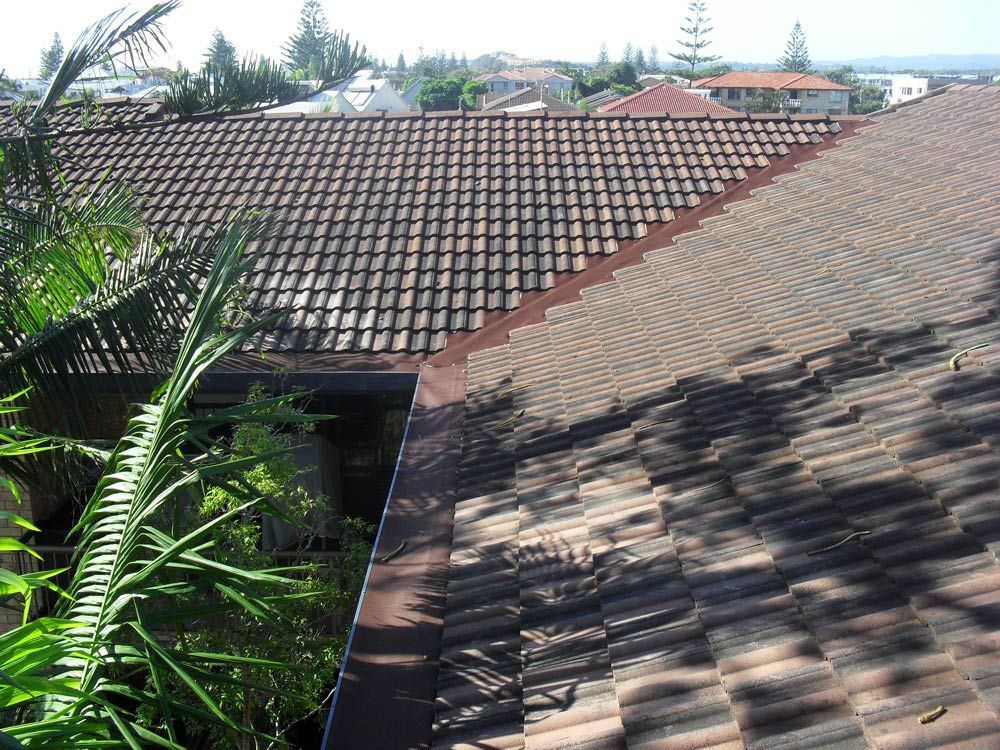
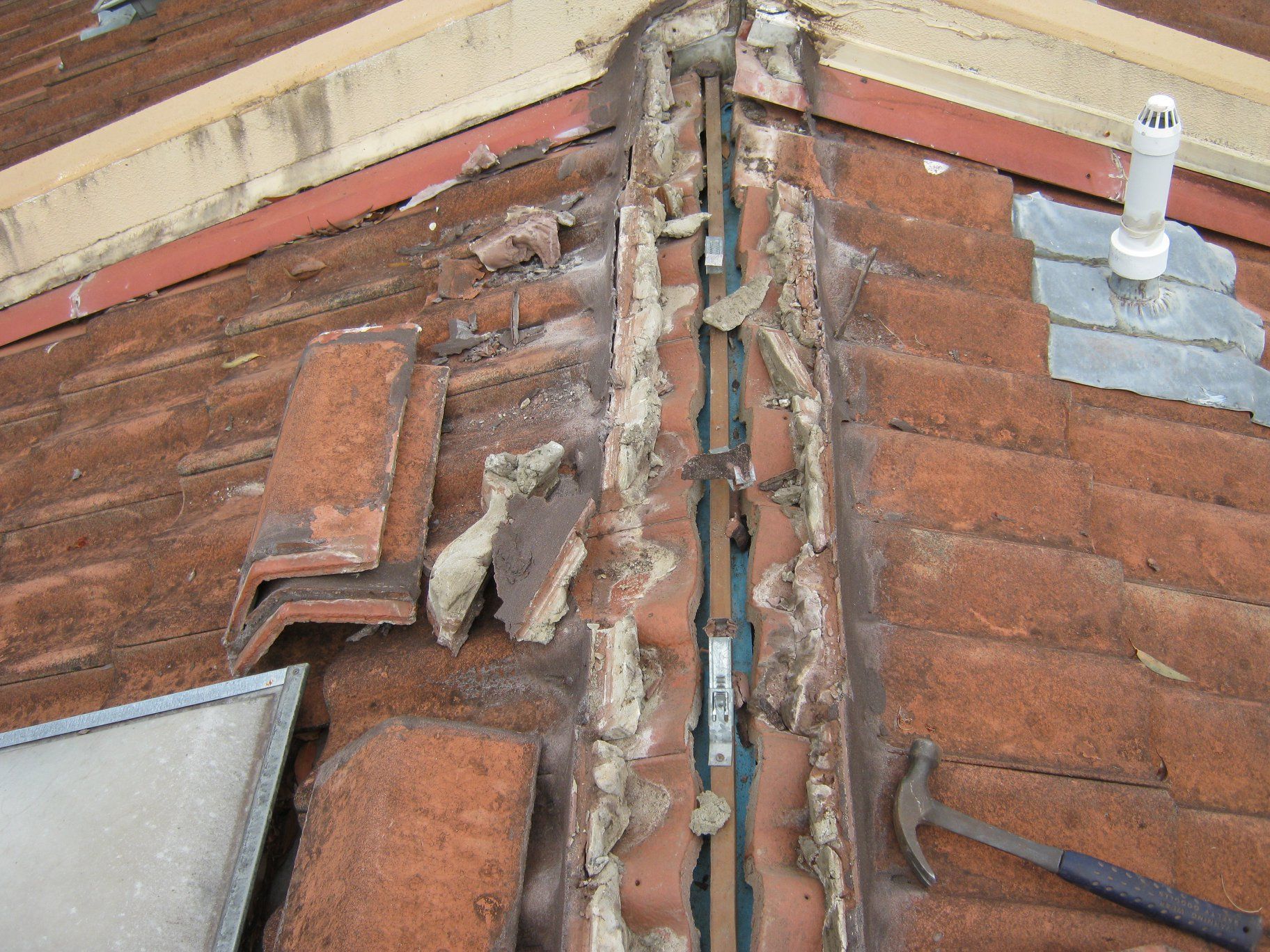
Tile roofs across the Gold Coast face constant movement from changing temperatures. Over time, ridge capping can crack, pointing can deteriorate and tiles can shift out of place. Once water slips beneath the surface, it can quietly attack the structure underneath.
Why Roof Leaks Escalate Faster Than Most People Expect
A roof protects nearly every part of your home. Once moisture enters the system, the damage doesn’t stay isolated. Here’s what can happen when leaks go unchecked:
Timber Rot
Roof framing relies on dry, stable timber. Persistent moisture softens timber over time, weakening the structural integrity of the roof. In severe cases, sections may sag or require replacement.
Mould and Indoor Air Issues
Queensland’s humidity creates the perfect environment for mould growth. Damp insulation and plaster can quickly become breeding grounds for spores, which may trigger respiratory irritation and unpleasant odours indoors.
Electrical Hazards
Water entering ceiling spaces can reach wiring, lighting fixtures and electrical fittings. That creates obvious safety risks, especially during storm season.
Damaged Insulation
Wet insulation loses effectiveness almost immediately. Homes become harder to cool, energy bills rise and indoor comfort drops during summer.
Ceiling Collapse
In long-term leak cases, plasterboard absorbs enough water to sag and eventually fail. Ceiling collapses often happen suddenly after periods of heavy rainfall.
The frustrating part? Many of these issues develop silently. A roof leak might appear minor outside while major damage spreads above the ceiling line.
The Gold Coast Climate Doesn’t Give Roofs Much Rest
Living near the coast has plenty of advantages, though roofing materials take a beating year-round.
Salt-laden air gradually corrodes metal components like flashing, screws and valleys. Strong UV exposure dries out sealants and weakens older pointing. Add intense rainfall and storm activity into the mix and even well-built roofs need regular attention.
Homes surrounded by large trees also face extra pressure. Leaves collect in valleys and gutters, trapping moisture against roofing materials. During storms, debris can crack tiles or dislodge ridge caps entirely.
That’s why many experienced roofers on the Gold Coast recommend routine inspections before storm season arrives. Spotting a cracked tile early costs far less than repairing internal water damage later.
Common Causes of Roof Leaks You Shouldn’t Ignore
Roof leaks don’t always come from dramatic storm damage. In many homes, wear and tear builds gradually over years.
Here are the most common culprits:
- Cracked roof tiles – Water slips beneath the tile layer
- Broken ridge capping – Rain enters through exposed gaps
- Rusted flashing – Water penetrates around joints and edges
- Blocked gutters – Overflow pushes water beneath roofing
- Poor previous repairs – Temporary fixes fail during storms
- Ageing pointing – Tiles loosen and shift over time
- Storm debris impact – Branches crack or displace roofing materials
A proper inspection looks beyond the visible symptoms. Professional roof tilers check the full roofing system, not just the area where water appears indoors
Early Signs Homeowners Often Miss
Not every roof leak starts with a dripping ceiling. Many warning signs appear subtly at first. Pay attention if you notice:
- A sudden musty smell after rain
- Peeling paint near windows or ceilings
- Dark patches in roof cavities
- Cracked mortar along ridge caps
- Loose tiles around valleys
- Damp insulation in the ceiling space
- Mould returning repeatedly despite cleaning
It’s also worth checking your gutters after storms. Granules, broken tile fragments or pieces of pointing often signal roof deterioration above.
Many homeowners avoid climbing onto the roof themselves — and that’s the smart move. Tiled roofs become slippery quickly, especially in coastal humidity. Professional inspections are safer and far more thorough.
Why Quick Patch Jobs Often Fail
A tube of sealant from the hardware store might stop a drip temporarily, though it rarely fixes the underlying issue. Roof leaks usually stem from movement within the roofing system itself. If surrounding tiles shift, flashing corrodes or pointing cracks further, water simply finds another pathway.
Poor repair work can also trap moisture underneath the roof surface. That hidden moisture continues damaging timber and insulation long after the visible leak disappears.
Professional roof tilers approach repairs differently. Instead of masking symptoms, they identify:
- Where water enters
- How it travels through the roof cavity
- Which materials have deteriorated
- Whether surrounding sections face similar risks
That broader assessment creates repairs that actually last through future storms and temperature changes.
The Difference Professional Roof Tilers Make
Roofing work demands more than replacing a few tiles. Every section of the roof system needs to work together to keep water out effectively. Experienced tradespeople understand:
- Roof pitch and water flow
- Tile compatibility
- Flashing installation methods
- Ventilation requirements
- Storm-resistant repair techniques
- Local building standards
That expertise matters particularly on older Gold Coast homes where roofing materials may no longer match modern products exactly.
Professional repairs also help maintain the lifespan of the entire roof. A properly repaired section reduces strain on surrounding materials and prevents recurring leak cycles.
When homeowners search for roof repair on the Gold Coast, experience should matter just as much as price. Cheap repairs often create repeat problems within a year or two, especially after severe weather.
Prevention Costs Less Than Recovery
Roof leaks rarely become cheaper with time. Small repairs completed early can prevent:
- Ceiling replacement
- Mould remediation
- Electrical repairs
- Timber restoration
- Insulation replacement
- Repainting interiors
Routine inspections also provide peace of mind before storm season arrives. Many roofing issues become far easier to fix when caught early rather than after months of water intrusion.
A good rule? If you notice any sign of moisture indoors after rain, organise an inspection promptly. Waiting for the leak to “get worse” usually means more extensive repairs later.
Protect Your Home Before the Next Storm Hits
A leaking roof might seem manageable today, though Queensland weather has a habit of exposing weak points fast. Heavy rain, coastal humidity and strong winds can turn a small crack into widespread internal damage in a matter of weeks.
That’s why homeowners up and down the coast trust Gold Coast Roof Repairs for long-lasting roofing work that addresses the source of the problem, and not just the symptoms. If you’ve spotted warning signs around your home, now’s the time to act. Speak with our experienced roofers about roof leak repairs Gold Coast homeowners can count on before the next storm rolls through.